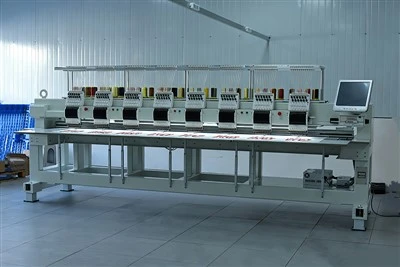
Selecting the appropriate embroidery mode on a flat embroidery machine is a crucial decision that can significantly impact the quality, efficiency, and overall success of your embroidery projects. As a supplier of flat embroidery machines, I understand the challenges that customers face when navigating the various options available. In this blog post, I will share some insights and practical tips to help you choose the right embroidery mode for your specific needs. Flat Embroidery Machine
Understanding the Basics of Flat Embroidery Machine Modes
Before delving into the selection process, it’s essential to have a clear understanding of the different embroidery modes available on flat embroidery machines. Here are some of the most common modes:
Single-Needle Mode: This mode uses a single needle to create embroidery designs. It is ideal for simple, small-scale designs or when precision is required. Single-needle mode allows for greater control over the embroidery process and is often used for adding details or personalized touches to a design.
Multi-Needle Mode: Multi-needle mode utilizes multiple needles simultaneously to speed up the embroidery process. This mode is suitable for large-scale projects or when working with designs that require multiple colors. With multi-needle mode, you can complete a design more quickly and efficiently, reducing production time and costs.
Auto-Color Change Mode: Auto-color change mode is a feature that automatically switches between different thread colors during the embroidery process. This mode is particularly useful for designs with multiple colors, as it eliminates the need for manual thread changes. Auto-color change mode not only saves time but also ensures consistent color transitions in your embroidery.
Mixed Embroidery Mode: Mixed embroidery mode combines different embroidery techniques, such as satin stitch, tulle stitch, and sequin embroidery, to create unique and eye-catching designs. This mode allows you to experiment with different textures and effects, adding depth and dimension to your embroidery projects.
Factors to Consider When Selecting an Embroidery Mode
Now that you have a basic understanding of the different embroidery modes, let’s explore the key factors you should consider when making your selection:
Design Complexity: The complexity of your design is one of the most important factors to consider when choosing an embroidery mode. Simple designs with minimal details can be easily embroidered using single-needle mode, while more complex designs with multiple colors and intricate patterns may require multi-needle or mixed embroidery modes.
Production Volume: If you are working on a large-scale project with a high production volume, multi-needle mode or auto-color change mode can significantly increase your productivity. These modes allow you to complete designs more quickly and efficiently, reducing production time and costs. On the other hand, if you are working on a small-scale project or creating custom designs, single-needle mode may be more suitable as it offers greater control and precision.
Thread Color Requirements: The number of thread colors required for your design is another important consideration. If your design uses only a few colors, single-needle mode or multi-needle mode with a limited number of needles may be sufficient. However, if your design requires a large number of colors, auto-color change mode or mixed embroidery mode with the ability to handle multiple thread spools may be necessary.
Fabric Type: Different fabric types require different embroidery techniques and modes. For example, delicate fabrics such as silk or chiffon may require a lighter touch and more precise stitching, making single-needle mode or satin stitch more appropriate. In contrast, heavier fabrics such as denim or canvas can withstand more aggressive stitching, allowing you to use multi-needle mode or other techniques with larger stitches.
Cost Considerations: The cost of using different embroidery modes can vary depending on factors such as the number of needles, thread consumption, and machine settings. When selecting an embroidery mode, it’s important to consider your budget and balance the cost with the desired quality and production efficiency.
Tips for Selecting the Right Embroidery Mode
Here are some additional tips to help you select the right embroidery mode for your flat embroidery machine:
Test Different Modes: Before starting a large-scale project, it’s a good idea to test different embroidery modes on a sample piece of fabric. This will allow you to see how each mode affects the quality and appearance of your design and help you make an informed decision.
Consult with an Expert: If you are unsure which embroidery mode is best for your project, don’t hesitate to consult with an expert. Our team of experienced technicians and customer support representatives is available to provide you with personalized advice and guidance based on your specific needs and requirements.
Stay Up-to-Date with the Latest Technology: The embroidery industry is constantly evolving, and new technologies and features are being introduced all the time. To ensure that you are using the most advanced and efficient embroidery modes, it’s important to stay up-to-date with the latest trends and developments in the industry.
Invest in Training and Education: Learning how to use different embroidery modes effectively requires training and practice. Investing in training and education for yourself and your staff can help you maximize the capabilities of your flat embroidery machine and achieve better results.
Conclusion
Selecting the appropriate embroidery mode on a flat embroidery machine is a critical decision that can have a significant impact on the quality and efficiency of your embroidery projects. By understanding the different embroidery modes available, considering the key factors involved, and following the tips outlined in this blog post, you can make an informed decision and choose the mode that is best suited for your specific needs and requirements.
Combination Embroidery Machine If you have any questions or need further assistance with selecting the right embroidery mode for your flat embroidery machine, please feel free to contact us. Our team of experts is dedicated to providing you with the highest level of customer service and support, and we look forward to helping you achieve your embroidery goals.
References
- Smith, J. (2020). The Art of Embroidery: Techniques and Trends. New York: ABC Publishing.
- Johnson, A. (2019). Flat Embroidery Machines: A Comprehensive Guide. London: XYZ Press.
- Brown, C. (2018). Embroidery Mode Selection: Best Practices and Tips. Embroiderer’s Journal, 15(3), 25-32.
Yiwu Kuhao Import and Export Co., Ltd.
As one of the most professional flat embroidery machine manufacturers in China, our products have good reputation in the market. Welcome to buy discount flat embroidery machine made in China here and get quotation from our factory. All customized products are with high quality and low price.
Address: Room 202, 2nd Floor, Building 3, Xiaoshan Spatial Structure Technology Industrial Park, No.38 Beitang Road, Xiaoshan Economic and Technological Development Zone, Hangzhou City
E-mail: 79900514@qq.com
WebSite: https://www.kuhaoembroidery.com/
