Hey guys, let’s cut to the chase—if you’re a regular swimmer, a weekend lap person, or even just someone who loves cooling off in a pool or open water during summer, you’ve probably dealt with weird toe nail stuff at some point. I’ve been in the toe nail supply game for way too long to count, and trust me, more than half the questions I get from our buyers (aka salons, athletic wear shops, and even swimmers directly) are about keeping their toe nails healthy while swimming. So today, I’m breaking down what actually works, no fancy medical jargon, and no stuff that’s just sold to you for a quick profit. Toe Nails
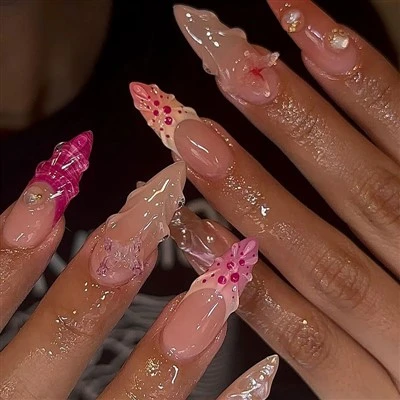
First, let’s get one thing straight: swimming doesn’t have to ruin your toe nails. But a lot of the bad stuff happens because people skip tiny, obvious steps, not because pools or open water are evil. Let’s start with the most common problem people hit—fungal nail infections. You know the one: that yellow, crumbly, thick nail that takes forever to get rid of. I’ve seen so many people blame the pool, and yeah, those warm, damp locker room floors and wet pool decks are breeding grounds for fungi. But here’s the tea: you don’t have to stop swimming to avoid it.
Wait, before we dive in, let’s talk about what I see from our side. A lot of pro swimmers and even casual gym-goers come to us asking for toe nail products that actually hold up, not just look cute. Like, I can’t tell you how many people have bought a random gel toe nail set that peels off after one swim—total waste. So a lot of my tips today tie into both preventing issues and taking care of your nails when you’re done, which is where our products actually fit in, no plugging, promise.
Let’s start with pre-swim prep, because this is where most people mess up. I know, you’re late for lap time, you throw on your swimsuit, grab your goggles, and bolt. But this 2-minute step could save you a ton of trouble: trim and shape your toe nails before you get in the water. Not too short, though—like, don’t cut them down to the quick. If your nail is too long, it’s way more likely to catch on pool steps, flip flops, or even just rub against your wet swimsuit, leading to a tear or an ingrown nail. Ingrowns are the worst—they get red, swollen, and if you’re swimming, that chlorine is just stabbing it on top. Also, when you trim, file the edges smooth so there’s no sharp corner digging into your skin. I see so many people skip the filing part and wonder why their toe nails are hurting a week later.
Another pre-swim move: put on some protective barrier if you’re going to be in open water, or even a public pool. Wait, not that thick lotion—wait for a second, I mean a thin layer of petroleum jelly or a specialized nail barrier product. Why? Because chlorine and salt water are harsh. They strip the moisture out of your nails, making them brittle and prone to splitting. If you put a tiny layer on your nail (and cuticles, don’t forget cuticles!) before you get in, it creates a little buffer. I’ve heard a lot of swimmers laugh this off, but ask any competitive open water swimmer—they swear by it. No, it won’t make you slip in your shoes or anything, just a thin coat.
And for the love of all things good, wear shoes in locker rooms and around pool edges. I know, it’s annoying when you’re rushing, but that’s how you pick up that fungus I was talking about. Fungi love damp, warm spaces, and those concrete pool decks are perfect. Even if it feels like no one’s there, someone with a fungal infection could’ve stepped barefoot right where you’re standing. Flip flops are cheap, just keep a pair in your bag. That’s non-negotiable.
Now, let’s talk about during the swim itself. If you’re doing laps, keep your feet moving? Wait, no—like, don’t stand in the same spot for 20 minutes waiting for your friend, especially in a busy pool. Pools can get crowded, and the water gets stagnant in areas where no one’s swimming. Also, if you’re wearing a swim cap, make sure it’s the right size. A swim cap that’s too tight can pull at your toe nails? Wait no, wait—wait, if it’s a full-body swim cap? No, I mean the regular latex or silicone caps. If you’re wearing a cap that’s too loose, water pools on top of your feet. Wait, no, maybe better to say: if you’re in open water, watch out for sharp rocks, sea urchins, or even broken glass on the beach or at the edge of the water. A small cut on your toe that gets exposed to salt water or pool chemicals is a huge gateway for infection. I’ve had a handful of clients come to us with toe nail issues because they stepped on a shell and didn’t even notice. So a little awareness there goes a long way.
Now, the part most people skip: post-swim care. This is where 90% of nail damage happens. I can’t stress this enough. When you get out of the pool, first things first—dry your feet completely, especially between your toes and under your toe nails. Fungi die in dry environments, so if you leave your toes damp, you’re basically inviting them to move in. Don’t just pat them with a towel—rub each toe, get under the nails, even use a little cotton swab if needed. Then, change out of your wet swimsuit immediately. Don’t hang around in damp shorts or a swim cover-up for an hour while you grab coffee. That moisture is lingering right against your toes.
After you’re dried, moisturize. But not just any lotion—focus on your nails and cuticles. Because chlorine and salt water stripped them, so they’re parched. A good cuticle oil or a thick moisturizer for your feet will help keep them flexible, less prone to splitting. This is also where, if you’re someone who likes having pretty nails, getting a durable, water-resistant set of toe nails is a game-changer. I’ve tested so many brands, and the cheap ones just don’t hold up—they lift within a day of swimming, leaving gaps where water gets in, which leads to yucky stuff. Our products, for example, are made to withstand chlorine and salt water, so you don’t have to worry about peeling or lifting after a lap session or a weekend at the lake. That’s not a plug, that’s just what I see from our regular buyers.
Wait, also, don’t pick at your toe nails. I know, it’s a bad habit—if a nail is lifting or peeling, you just want to yank it off. But that creates an open wound, and if your hands aren’t perfectly clean, that’s another way to get bacteria or fungus. If you have a lifting nail, trim it carefully and keep it clean, maybe put a tiny bandage over it until it heals. No picking, trust me.
Another common issue: black toenails. That’s the bruise under the nail, usually from repeated impact—like if you’re a runner-swimmer combo, or even if you’re doing a lot of flip turns in the pool. Wait, flip turns are a big one. When you do that hard push off the wall, your toes hit the edge or the bottom of the pool repeatedly, and that causes bleeding under the nail, which turns black. How to prevent that? Make sure your swimming shoes? Wait, no, most people don’t wear shoes in the pool. Wait, maybe trim your nails short enough that they don’t extend past the tip of your toe. If your nail is too long, it’s way easier to bang it. Also, when you do flip turns, try to angle your foot so you’re not slamming your toes straight into the wall. It takes a little practice, but it makes a huge difference. I’ve had so many competitive swimmers come to us saying they used to get black nails every other month, and after adjusting their nail length and flip turn technique, it went away.
What about if you do get a toe nail problem? Don’t ignore it. A lot of people think a little discoloration will go away on its own, but if it’s fungus, it’ll only get worse. If you see yellow, thick, crumbly nails, or pain, redness, swelling around the nail, go see a doctor or a foot specialist. Don’t try to treat it with random home remedies (like tea tree oil, which might help a little but isn’t a cure) without checking. And when you’re treating it, skip the pool for a while, okay? You don’t want to spread it to other people.
Wait, let’s also talk about what not to do. A lot of people think wearing socks all day after swimming will keep their feet dry, but if those socks are cotton, they’ll just trap moisture. Wear moisture-wicking socks, or go barefoot as much as possible once you’re home. And don’t share toe nail tools—clippers, files, stuff like that. If you’re sharing with a friend and one of you has a fungus, you’re passing it right along. That’s a simple one, but so important.
Now, tying this all together, because I know a lot of you are here for actionable steps, not just chat. Let’s list the non-negotiables, okay? 1. Prep before: trim nails straight across (not too short), file edges smooth, maybe a thin barrier on nails, wear flip flops in locker rooms. 2. During: keep feet dry as much as possible, avoid standing in stagnant water, watch your step around edges. 3. After: dry completely (between toes, under nails), change out of wet gear right away, moisturize nails and cuticles, skip picking. 4. If you have issues: don’t ignore, see a pro, don’t share tools.
And yeah, if you’re someone who loves having nice toes for beach trips or just because, investing in quality toe nails that are made to handle water is smart. I’ve seen so many people waste money on cheap sets that fall apart after one swim, so it’s worth going for something durable. If you’re a salon owner looking to stock products that your swimmer clients will actually love, or a brand that wants to partner, feel free to reach out. No hoops to jump through, just talk and figure out what works for you.
Wait, let me make sure I didn’t miss anything. Oh! Don’t over-soak your feet in chlorinated water. A lot of people stay in the pool for hours, and even if you’re drying off when you get out, being submerged that long weakens your nails. Try to limit your swim sessions to an hour or so if you’re new, or take breaks to stand out of the water for a few minutes and let your feet air dry. That’s a small thing, but it adds up.
Another thing: your overall nail health matters too. If your nails are already brittle from being dehydrated, swimming will make that worse. So drink plenty of water, eat foods with biotin (eggs, nuts, avocados) to keep your nails strong from the inside out. That’s a long-term thing, but it makes a huge difference. I had a client who would always get split nails after swimming, and once she started eating a handful of almonds every day, that stopped. Wild, right?
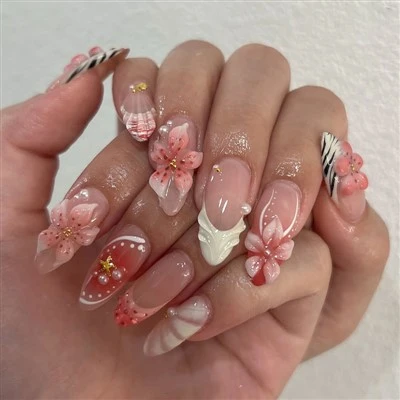
Okay, let’s wrap this up. The key takeaway is that toe nail problems while swimming are totally preventable with a few simple, consistent steps. You don’t have to give up swimming to keep your toes healthy, you just have to stop cutting corners on prep and post-care. And if you’re in the market for quality toe nails that stand up to water wear, or if you’re a buyer looking for products to serve your swimmer customers, don’t hesitate to connect for a chat about what you need.
References
Salon Nails Centers for Disease Control and Prevention. (2022). Fungal Nail Infections. Retrieved from CDC Health Topics.
American Podiatric Medical Association. (2021). Foot Care for Swimmers. APMA Consumer Resources.
Journal of Sports Medicine and Physical Fitness. (2019). Common Toe Injuries in Competitive Swimmers. Vol. 59, No. 12.
Yiwu Xinzhuo Nails Co., Ltd.
As one of the most professional toe nails manufacturers and suppliers in China, we offer a wide range of products with superior quality. We warmly welcome you to wholesale premium toe nails in stock here from our factory. Customized orders are welcome.
Address: No 301,Gaotang Road,SuxiTown,Yiwu City,Zhejiang Province,,China
E-mail: jenson@xinzhuonails.com
WebSite: https://www.xinzhuonails.com/
