When setting up a new laboratory, one of the most crucial tasks is selecting the right laboratory consumables. As a seasoned supplier in the field of laboratory consumables, I understand the challenges and considerations that come with this process. In this blog, I will share some key factors that you should take into account when choosing laboratory consumables for your new lab. Laboratory Consumables

Compatibility with Equipment
The first and foremost consideration is the compatibility of the consumables with your laboratory equipment. Different instruments have specific requirements for the consumables they use. For example, a high – performance liquid chromatography (HPLC) system needs HPLC – grade solvents, columns with the appropriate dimensions and stationary phases, and vials that are compatible with the autosampler. Using incompatible consumables can lead to inaccurate results, damage to the equipment, and increased maintenance costs.
When purchasing pipettes, you need to ensure that the tips are of the right size and material. Some pipettes require specific types of tips to achieve accurate volume dispensing. For instance, if you are using a positive – displacement pipette, you need to use tips designed specifically for this type of pipette. Similarly, in a centrifuge, the tubes must be able to withstand the forces generated during centrifugation without breaking. The tube material, such as polypropylene or polycarbonate, should be chosen based on the nature of the sample and the centrifugation speed.
Quality and Purity
The quality and purity of laboratory consumables are of utmost importance. In many scientific experiments, even a small amount of contamination can lead to significant errors in the results. For example, in molecular biology experiments, DNA and RNA samples are extremely sensitive to contaminants. Using low – quality pipette tips or tubes can introduce nucleases or other contaminants that degrade the nucleic acids.
In chemical analysis, the purity of solvents and reagents is critical. High – purity solvents are required for techniques such as gas chromatography (GC) and mass spectrometry (MS) to ensure accurate and reproducible results. Impurities in solvents can cause baseline noise, peak tailing, and interference with the detection of analytes. When it comes to culture media in microbiology, the quality of the ingredients and the sterility of the media are essential for the growth and survival of microorganisms. Contaminated media can lead to false positives or the failure to grow the target organisms.
Cost – effectiveness
While quality is non – negotiable, cost – effectiveness is also a significant consideration, especially for new laboratories with limited budgets. It is important to find a balance between the quality of the consumables and the cost. One way to achieve this is to compare the prices of different brands and suppliers. However, it is crucial not to sacrifice quality for a lower price.
Some suppliers offer bulk purchasing discounts, which can be a cost – effective option if you have a high demand for certain consumables. For example, if your laboratory performs a large number of PCR reactions, buying PCR tubes and reagents in bulk can save you a significant amount of money in the long run. Additionally, consider the long – term costs associated with the consumables. Some low – cost consumables may require more frequent replacement or cause more problems, which can ultimately increase the overall cost.
Supplier Reputation
The reputation of the supplier is an important factor to consider. A reliable supplier will provide high – quality products, excellent customer service, and timely delivery. You can research the supplier’s reputation by reading customer reviews, checking their industry certifications, and asking for references.
A good supplier should also have a wide range of products available. This allows you to source all your laboratory consumables from one place, which can save you time and effort in procurement. They should also be able to provide technical support and advice on the selection of the right consumables for your specific applications. For example, if you are unsure about which type of filter to use for a particular filtration process, a knowledgeable supplier can guide you through the selection process.
Regulatory Compliance
In many industries, laboratories are subject to strict regulations regarding the use of consumables. For example, in the pharmaceutical and food industries, laboratories must comply with Good Manufacturing Practice (GMP) and Good Laboratory Practice (GLP) guidelines. These regulations specify the requirements for the quality, documentation, and traceability of laboratory consumables.
When choosing consumables, make sure that they meet the relevant regulatory requirements. The supplier should be able to provide documentation such as certificates of analysis (COA) and material safety data sheets (MSDS). These documents ensure that the consumables are of the required quality and that you have the necessary information to handle them safely.
Application – specific Requirements
Different laboratory applications have different requirements for consumables. For example, in cell culture, you need to use culture flasks, plates, and media that are specifically designed for cell growth. These consumables should be sterile, non – toxic, and have the appropriate surface properties to support cell attachment and proliferation.
In medical laboratories, for diagnostic tests, the consumables must be accurate and reliable. For example, in a clinical chemistry laboratory, the test kits and reagents should have high sensitivity and specificity to ensure accurate diagnosis. In environmental testing, the consumables need to be able to withstand the harsh conditions and accurately detect the target contaminants.
Storage and Shelf – life
The storage requirements and shelf – life of the consumables are also important considerations. Some consumables, such as enzymes and antibodies, need to be stored at low temperatures to maintain their activity. Others, like certain chemicals, may be sensitive to light or moisture. Make sure that your laboratory has the appropriate storage facilities to accommodate the consumables.
The shelf – life of the consumables can also affect your purchasing decisions. If you have a long – term project, it is advisable to choose consumables with a longer shelf – life to avoid waste. On the other hand, if you have a short – term experiment, you may not need to worry as much about the shelf – life.
Sustainability
In recent years, there has been an increasing focus on sustainability in the laboratory. Many laboratories are now looking for ways to reduce their environmental impact. When choosing consumables, consider options that are more sustainable. For example, some suppliers offer biodegradable or recyclable pipette tips and tubes.
Using reusable consumables, such as glassware, can also reduce waste. However, it is important to note that the cleaning and sterilization of reusable consumables require additional resources and time. You should weigh the environmental benefits against the practical considerations when making your decision.
Conclusion
Choosing the right laboratory consumables for a new laboratory is a complex process that requires careful consideration of multiple factors. From compatibility with equipment and quality to cost – effectiveness and regulatory compliance, each aspect plays a crucial role in ensuring the success of your laboratory operations.
As a laboratory consumables supplier, I am committed to providing high – quality products that meet all your needs. We have a wide range of consumables available, from pipette tips and tubes to culture media and reagents. Our team of experts can provide you with technical support and guidance to help you make the right choices for your laboratory.
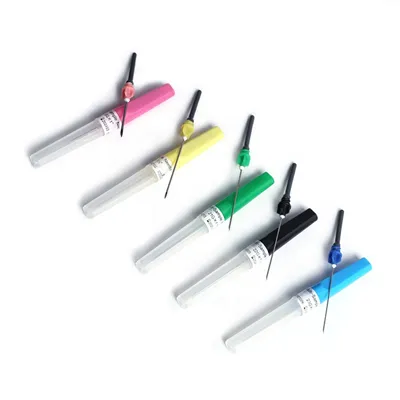
Disposable Venous Blood Collection Needle If you are setting up a new laboratory or looking to switch suppliers, I encourage you to contact us for a consultation. We can discuss your specific requirements and help you select the most suitable laboratory consumables. Our goal is to assist you in creating a productive and efficient laboratory environment.
References
- Wilson, K., & Walker, J. (Eds.). (2005). Principles and Techniques of Biochemistry and Molecular Biology. Cambridge University Press.
- Pelczar, M. J., Chan, E. C. S., & Krieg, N. R. (2007). Microbiology: Concepts and Applications. McGraw – Hill.
- Skoog, D. A., West, D. M., Holler, F. J., & Crouch, S. R. (2013). Fundamentals of Analytical Chemistry. Cengage Learning.
Shandong Chengwu Medical Products Factory
As one of the most professional laboratory consumables manufacturers in China, we offer a wide range of products with superior quality. Please feel free to wholesale bulk laboratory consumables for sale here from our factory. For more information, contact us now.
Address: Southern End Of Quancheng Road, Chengwu County, Shandong Province, China
E-mail: contact@chengwumedical.com
WebSite: https://www.cwyymed.com/
