What are the common problems with a wind – powered fire extinguisher?
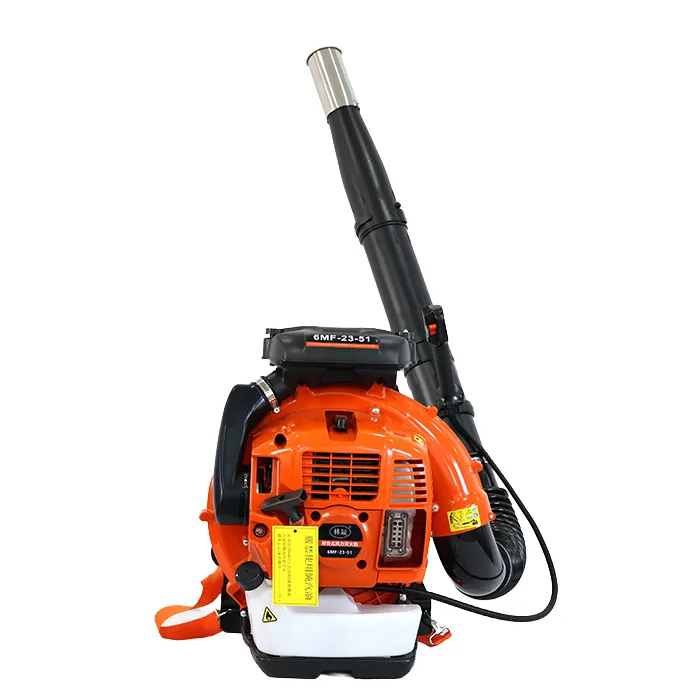
As a wind – powered fire extinguisher supplier, I’ve had the privilege of witnessing firsthand how these innovative devices have revolutionized fire – fighting efforts in various settings. However, like any technology, wind – powered fire extinguishers are not without their challenges. In this blog, I’ll delve into some of the common problems associated with these fire – fighting tools and discuss how to address them. Wind-powered Fire Extinguisher
1. Limited Range
One of the most notable issues with wind – powered fire extinguishers is their limited range. The effectiveness of these devices heavily depends on the intensity and spread of the wind they generate. Most of our wind – powered fire extinguishers can typically project a strong gust of air up to a certain distance, usually within a few meters. This limitation can be a significant drawback when dealing with large – scale fires or fires that are located at a considerable distance from the operator.
In forest fires, for example, where flames can spread rapidly over a large area, a short – range wind – powered fire extinguisher may not be sufficient to reach and suppress the fire effectively. Firefighters often find themselves having to get dangerously close to the fire to use the extinguisher, putting their lives at risk.
To mitigate this problem, we are constantly researching and developing new models with enhanced range capabilities. This includes improving the design of the fan blades to generate more powerful and focused airflows, as well as adjusting the internal mechanics of the device to optimize air propulsion. Additionally, for larger – scale fire – fighting operations, we recommend using multiple wind – powered fire extinguishers in combination to increase the overall coverage area.
2. Dependence on Weather Conditions
Wind – powered fire extinguishers are highly reliant on weather conditions. Since they work by generating a strong gust of air to displace oxygen and suppress the fire, adverse weather can significantly impact their performance. High humidity, for example, can reduce the effectiveness of the extinguisher. Moist air is denser than dry air, which means that the wind generated by the extinguisher has to work harder to penetrate the fire and displace oxygen. As a result, the fire may not be extinguished as quickly or as effectively.
Similarly, strong natural winds can either enhance or hinder the operation of a wind – powered fire extinguisher. If the natural wind is blowing in the same direction as the air generated by the extinguisher, it can increase the overall force of the airflow and improve the extinguisher’s performance. However, if the natural wind is blowing in the opposite direction, it can counteract the effect of the extinguisher, making it difficult to direct the airflow towards the fire.
To address this problem, we provide users with detailed guidelines on how to operate the extinguisher in different weather conditions. We also recommend that users monitor the weather forecast before deploying the extinguisher and choose the most appropriate time and location for its use. In addition, we are exploring the possibility of incorporating weather – sensing technology into our future models, which would allow the extinguisher to automatically adjust its settings based on the prevailing weather conditions.
3. Noise Pollution
Another common problem associated with wind – powered fire extinguishers is the noise they generate. The powerful fans used in these devices produce a significant amount of noise, which can be a nuisance in residential areas or other noise – sensitive environments. In addition to being a source of annoyance, excessive noise can also have negative impacts on the health and well – being of the operators and nearby residents. Prolonged exposure to high – level noise can cause hearing loss, stress, and other health problems.
To reduce noise pollution, we have been working on improving the design of our wind – powered fire extinguishers. This includes using more advanced fan blade designs that are more aerodynamic and produce less noise. We have also incorporated sound – dampening materials into the construction of the extinguisher to absorb and reduce the noise generated by the fan. Additionally, we recommend that operators wear appropriate hearing protection when using the extinguisher to minimize the risk of hearing damage.
4. Maintenance Requirements
Wind – powered fire extinguishers require regular maintenance to ensure optimal performance. The fans, motors, and other components of the extinguisher are subject to wear and tear over time, and if not properly maintained, they can malfunction or break down. For example, the fan blades may become dirty or damaged, which can reduce the efficiency of the airflow and the overall effectiveness of the extinguisher. The motor may also require lubrication and periodic checks to ensure that it is operating smoothly.
To help our customers with maintenance, we provide comprehensive user manuals that include detailed instructions on how to perform routine maintenance tasks. We also offer training programs for operators to teach them how to properly maintain and troubleshoot the extinguisher. In addition, we have a dedicated customer support team that is available to answer any questions and provide technical assistance to our customers.
5. Initial Cost
The initial cost of a wind – powered fire extinguisher can be relatively high compared to traditional fire – fighting equipment. The advanced technology and engineering required to design and manufacture these devices contribute to their higher price tag. For some customers, especially small – scale businesses or individual users, the cost may be prohibitive.
However, it’s important to consider the long – term benefits of using a wind – powered fire extinguisher. These devices are more environmentally friendly than traditional fire extinguishers, as they do not use chemicals that can be harmful to the environment. They are also reusable, which means that over time, the cost per use can be significantly lower. Additionally, wind – powered fire extinguishers can be more effective in certain types of fires, which can potentially save lives and property.
To make our products more accessible, we offer a variety of financing options and payment plans to help our customers manage the initial cost. We also provide cost – benefit analyses to help our customers understand the long – term savings and advantages of using our wind – powered fire extinguishers.
Heavy-duty Fire Pumps Despite the common problems associated with wind – powered fire extinguishers, these devices offer a unique and effective solution for fire – fighting. At our company, we are committed to continuously improving the performance and reliability of our products to overcome these challenges. If you are interested in learning more about our wind – powered fire extinguishers or have any questions, please feel free to contact us for a procurement discussion. We’ll be more than happy to assist you in finding the best fire – fighting solution for your needs.
References
- "Fire – Fighting Technology Handbook".
- "Advances in Wind – Powered Devices for Fire Suppression", Journal of Fire Safety Research.
- Industry reports on the development and application of wind – powered fire extinguishers.
Zhenjiang Linhao Forest Fire Prevention Equipment Co., Ltd.
Zhenjiang Linhao Forest Fire Prevention Equipment Co., Ltd. is one of the most reliable manufacturers and suppliers of wind-powered fire extinguisher in China, featured by quality products and low price. Please rest assured to wholesale customized wind-powered fire extinguisher from our factory. Contact us for quotation and free sample.
Address: No.16,Fenghuangshan Road, Runzhou District, Zhenjiang City, Jiangsu Province
E-mail: lh@lhfirefighting.com
WebSite: https://www.lhfirefighting.com/
