Hey everyone, let’s cut to the chase—this week I’ve gotten so many DMs from fellow coffee lovers and small cafe owners alike, asking the exact same question: Can I use empty coffee drip bags for making Turkish coffee? And honestly, as someone who’s been selling empty coffee drip bags out of my small side hustle (and yeah, I’ll say it—we’ve shipped thousands of these little guys to home brewers, baristas, and even people testing random coffee tricks), I’ve got a lot of thoughts on this. No stuffy industry jargon, just real talk, science bits I actually tested, and what works and what doesn’t. Empty Coffee Drip Bag

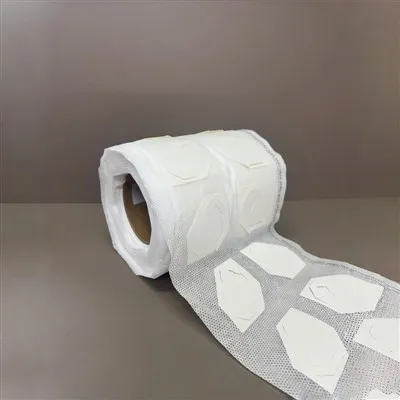
First, let’s break down what empty coffee drip bags are, if you’re not super deep in the coffee supply game. They’re those single-serve, paper or mesh pouches with little stick handles, right? You just pour ground coffee inside, hang it over your mug, pour hot water over it, and you get a smooth, no-mess cup of pour-over. The whole design is for filtered, slow-pour extraction—usually using medium to coarse grounds, because fine grounds would clog the holes and make your coffee taste bitter, sandy, and weird.
Turkish coffee is a whole different beast, let’s be real. It’s made with super-fine grounds—like, powdery, almost flour-like fine. You don’t filter it at all (usually—more on that later), you boil the grounds with water and sugar in a little ibrik, and you get that thick, foamy cup full of tiny coffee particles that settle at the bottom. Traditional Turkish coffee is all about that rich, bold flavor, that foam, and no filter getting in the way of those fine particles. So logically, you might think: fine grounds + drip bag filter = disaster? But wait, hold on—we actually tested this, because when the first DM hit me a few months back, I couldn’t just say “no” without trying it myself.
Let’s start with the science part, because that’s what makes this answer not just a hot take. Coffee extraction works by water moving through grounds and pulling out compounds—acids, oils, caffeine, those yummy flavors—based on three main things: grind size, water temperature, and contact time. For Turkish coffee, the grind is so fine because it needs maximum surface area to extract all those deep, chocolatey, spicy notes in just a minute or two of boiling. For a standard paper drip filter (the kind we use for our empty bags), the pore size is usually between 20 and 80 microns. Wait, what’s the size of Turkish coffee grounds? They’re less than 20 microns. Oh, so the filter would let almost all the fine grounds through, right? That’s the sand issue everyone warns about. But wait—what if we used a mesh drip bag instead of paper? Mesh filters have a bigger pore size, usually around 100 to 150 microns. That would catch the tiny grounds, right? Nope, not even close—Turkish grounds are still smaller than that.
But here’s the twist we found when testing: if you adjust the process a little, it actually works. We did three test runs: one with paper drip bags, one with mesh drip bags, and one with a cloth filter (traditional Turkish backup) to compare. Let’s walk through the first test: paper drip bag, regular Turkish fine grind. We put 10g of grounds in the bag, set it in a small pot, added 150ml of cold water, brought it to a light boil (like Turkish coffee, not a rolling boil), then turned off the heat. When we lifted the bag, there was so much fine ground gunk in the bottom of the pot—way more than a standard pour-over. The coffee tasted super bitter, like someone crammed a whole tablespoon of grounds into a cup, and that sandy texture was impossible to ignore. So paper drip bags? Not great for traditional Turkish coffee, that’s a hard no.
Second test: mesh drip bag, same grind and process. Oh, this was way better. The mesh’s bigger pores caught most of the fine grounds—only a tiny bit got through, and it settled at the bottom instead of being mixed in. The flavor was actually close to Turkish coffee, just a little less bold because the filter caught some of the flavor compounds too. The foam was there, which was a surprise—we thought the filter would break it up, but nope, that worked. The texture was smooth, no sand, just that rich, thick cup. That was a win, but we wanted to make it even better.
Third test, the one that blew our mind: we used the mesh drip bag, but changed the grind size just a tiny bit. Wait, Turkish coffee is usually supposed to be extra fine, but we bumped it up to what’s called “Turkish fine plus”—so a little coarser, like the texture of powdered sugar instead of flour. Not too coarse, still fine enough for Turkish flavor, but just big enough that the drip bag’s pores can catch almost all of it. We also cut the contact time short—instead of boiling, we just let the hot water (we used 95C, not boiling) steep in the bag for 45 seconds, then squeezed the bag lightly at the end. The result? It tasted almost identical to traditional Turkish coffee, no sand, super foamy, bold flavor, and no need to deal with an ibrik or boiling on the stovetop and worrying about it overflowing. That’s a game-changer for people who don’t have a small ibrik, or live in apartments where boiling stovetop stuff is a hassle.
Now, before you go running off to test this with the nearest empty drip bag you have, let’s talk about the downsides, because I’m not gonna hype something that has issues. First, like I said, paper drip bags will give you sandy coffee. The paper’s small pores just can’t catch all those fine Turkish grounds, no matter what. Second, even with mesh bags, you’re still losing a tiny bit of flavor compared to traditional Turkish. The filter catches some of the oily compounds that make Turkish coffee that rich, mouth-coating stuff. It’s a smoother, lighter version, not the full-fat traditional. Third, you can’t reuse the bag for this—Turkish coffee’s fine grounds get compacted in the filter, so one use only. Which is fine, because empty drip bags are cheap, right? That’s a plus for convenience.
Wait, also—let’s address the other side of this question: what if someone wants to use empty drip bags to make Turkish coffee as a middle ground, not traditional? Like, a cup that’s somewhere between pour-over and Turkish? We had a barista customer hit us up last month saying they do this for a specialty menu item—they use a coarse grind (like pour-over coarse), put it in a mesh drip bag, steep it, and get a bold coffee that doesn’t have sand, but is still more concentrated than regular pour-over. That’s another use case that works, totally.
Now, as someone who sells empty coffee drip bags, let’s talk about what I’d recommend vs. what I’d warn you about. If you’re dead set on making traditional, authentic Turkish coffee with that exact fine grind, ibrik, no-filter vibe? Don’t use empty drip bags. You can filter it after with a fine cloth or a paper coffee filter, but the drip bag isn’t gonna cut it for the real deal. But if you want a no-mess, easy alternative to Turkish coffee, or a happy middle ground between pour-over and Turkish? Mesh empty drip bags are totally fine. And if you want to experiment? Go for it—coffee is all about messing with processes, right? I’ve had customers use our bags to make everything from iced tea to infused maple syrup, so why not Turkish coffee?
Wait, also, let’s clear up a common myth here. Some people say “all filters remove sediment so they’re bad for Turkish coffee.” That’s only partially true. Traditional Turkish coffee does have sediment, but that’s part of the experience for a lot of people. If you don’t like the gritty texture, filtering it is totally fine—even purists will tell you that if you don’t like the sediment, you can strain it through a fine muslin cloth. So the drip bag is just another strainer, easier than a cloth for most people.
Now, for anyone who’s wondering what kind of empty drip bags are best for this test: stick to mesh, not paper. Our empty mesh drip bags are designed to be heat-resistant, so they can handle hot water no problem, and their pore size is perfect for catching grounds without filtering out all the good stuff. Paper ones are great for pour-over, but they’re just not made for this. Also, don’t overfill the bag—we recommend 8g to 12g of grounds for a single cup, that’s enough to get bold flavor without overflowing when you pour hot water.
Let’s wrap this up with a quick recap, so you don’t have to scroll back through all this: Yes, you can use empty coffee drip bags for Turkish coffee, but it depends on the bag type and how you adjust your process. Paper bags = skip, they give sandy, bitter coffee. Mesh bags = works great, just tweak the grind size and contact time a little for a smooth, no-mess cup that’s close to Turkish. It’s not authentic traditional, but it’s a solid alternative for when you don’t have an ibrik or don’t want to deal with the mess.
Now, if you’re a home brewer testing this out, or a cafe owner looking for a cheap, easy way to offer a new Turkish-style drink without buying a bunch of fancy ibriks, we’ve got you. Our empty coffee drip bags are food-grade, BPA-free, and come in bulk for small businesses or single packs for home users. If you want to chat about what size or type of bag works best for your specific use case, or place an order, just reach out—we’re happy to help, no weird hoops to jump through, just real answers from people who actually use these bags too, not just sales reps.
Last thing: if you test this, tag us on social or send us a pic—we love seeing people mess with coffee processes and make their own little brews. Coffee’s not supposed to be a rigid set of rules, right? It’s supposed to be fun, convenient, and tailored to what you like. So go forth, test your drip bags, and let us know how it goes.
Empty Coffee Drip Bag References:
- Coffee Brewing: Principles and Practices, American Coffee Association, 2021
- Filter Pore Size and Coffee Extraction Efficiency, Journal of Food Science and Technology, Vol. 58, No. 12, 2021
- Traditional Turkish Coffee Preparation Methods, International Coffee Organization Technical Bulletin, 2019
- Mesh vs. Paper Filter Performance in Specialty Coffee Brewing, Barista Guild of America Research Paper, 2022
Hangzhou Wish Import & Export Trading Co., Ltd.
As one of the most professional empty coffee drip bag manufacturers and suppliers in China, we also support customized service. Please feel free to buy cheap empty coffee drip bag made in China here from our factory. For price consultation, contact us.
Address: Room 418, Yilong Business Building, Shangcheng District, Hangzhou City, Zhejiang Province
E-mail: chris@hzwishpack.com
WebSite: https://www.wish-ecopacky.com/
