Alright, so let’s dive into this question: Can titanium wire actually pull its weight (pun totally intended) in space exploration? Full transparency—before I started this titanium wire supply gig, I had zero clue how much weird, wild stuff goes into building rockets, satellites, and space stations. Now? I geek out over it. Let’s break this down like we’re geeking out over a space documentary (minus the $100 popcorn, obviously). Titanium Wire
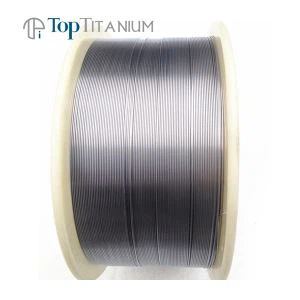
First, let’s talk about why titanium is the space industry’s favorite sidekick. You know how space is… space? Like, the opposite of your cozy living room. It’s freezing (well, not always—sun-facing parts are blistering hot, flip-flopping between -450°F and 2,500°F), there’s no air (so pressure swings are brutal), and micrometeoroids are just flying around like tiny, really fast trash that wants to ruin your day. Titanium’s whole thing is that it’s crazy strong for its weight—way stronger than steel, but 45% lighter. That’s a game-changer for space, because every extra pound you launch costs a fortune (like, $10,000 per pound, yes, I fact-checked that). Plus, it doesn’t corrode—no rust, no pitting, even when exposed to solar radiation or the vacuum of space. That’s huge because a satellite that lasts 10 years is way better than one that dies in 2.
But wait—why wire specifically? Not just titanium plates or bolts? Let’s get practical here. Think about all the tiny, critical parts that hold big space stuff together. Satellites have those solar panels that flap around like giant wings when they deploy—they need something flexible but tough to keep the wiring or the hinges from snapping. Titanium wire is perfect for that. I recently hooked up with a satellite components startup that uses our titanium wire to make the “ties” that bundle their solar panel cables together. Regular steel would get brittle in space, aluminum is too soft, and some fancy alloys are just way too pricey for mass production. Our wire? It’s got a high tensile strength (so it won’t stretch or break when the panels unfurl) and it’s super resistant to thermal fatigue—when something heats up and cools down over and over, most metals crack, but titanium just chills.
Then there’s the space station. The International Space Station (ISS) has had titanium parts since day one, but I’ve seen a few recent projects using titanium wire for structural reinforcements on the external modules. Astronauts do spacewalks to fix stuff, right? If they need to adjust a loose panel or tighten a bracket, a lightweight, corrosion-resistant wire is way easier to handle than a heavy steel cable. Also, the ISS has those heat exchangers that get rid of excess heat—some of the fine mesh in those is made with titanium wire because it can handle the extreme temperature swings without failing. Last year, a NASA contractor hit us up for 500 meters of custom-sized titanium wire to replace some worn-out mesh on the Columbus module—said the old aluminum mesh was corroding (whoops) and they wanted something that’d last till 2030, at least. We hooked ’em up, and they sent a note saying it was way easier to install than they thought. That’s the kind of win we live for.
Wait, but hold on—isn’t titanium wire hard to work with? I won’t lie, it’s not like grabbing a spool of copper wire for your home wiring. It’s stiffer, so you can’t bend it 100 times without it breaking (that’s fatigue, y’all), and it’s not as conductive as copper. Oh, right, but space doesn’t always need conductivity. If you’re using it for structural stuff, conductivity doesn’t matter. For wiring that needs to carry signals, you pair titanium wire with a copper core—we do a lot of that for satellite signal cables. We coat the titanium wire with a thin layer of copper, so you get the strength of titanium and the conductivity of copper without the extra weight of pure copper. Smart, right?
Another big one: lunar and Mars missions. The Artemis program is going back to the moon, and SpaceX and Blue Origin are building landers that have to handle the rough, dusty surface (moon dust is super sharp, by the way—like tiny glass shards that scratch everything). Titanium wire is being tested for the landing gear cables on these landers. The last thing you want is a cable snapping when you’re landing on the moon at 10,000 mph. Titanium’s high strength-to-weight ratio means the landing gear can be lighter, which saves fuel, and it can handle the impact when you touch down. Also, Mars has a thin atmosphere, so any structures there have to deal with dust storms that throw grit everywhere. Titanium wire won’t get scratched or corroded by Mars dust, so it’s ideal for things like tether systems on rovers or the wires that hold up the power arrays.
But let’s get real—this isn’t just a “titanium is cool” sales pitch (okay, it’s a little cool). We’ve had to problem-solve with clients, too. Last quarter, a startup was making small CubeSats and needed wire that was super thin (like 0.1mm) but still strong enough to hold their tiny sensors in place during launch. Most titanium wire that thin is flimsy, but we developed a cold-drawn titanium wire that’s consistent in diameter and has a high elongation rate (meaning it stretches a little before breaking, not just snapping suddenly). They tested it in a vibration chamber that simulated launch g-forces, and it didn’t break. Sold them 10,000 meters, and they’re coming back for more for their next mission to map asteroid minerals. That’s the stuff that makes my job worth it.
Wait, what about microgravity effects? Does titanium behave differently in zero-g? From what I’ve read (and talked to a few materials scientists), titanium’s properties actually stay pretty consistent. No weird melting points or structural changes in microgravity, which is a big plus. Some other metals, like aluminum, can have issues with grain structure in zero-g, but titanium’s atomic structure is super stable. So when you’re making parts for space, you don’t have to tweak titanium wire’s specs too much—just make sure it’s the right size and strength, and it’ll work.
Let’s not sleep on the sustainability angle, either. As space exploration gets more commercial, companies are trying to make parts that can be reused, right? Titanium is 100% recyclable, so if a satellite is retired, the titanium wire can be melted down and made into new parts instead of being space junk. That’s a big deal because space junk is getting out of hand—there are millions of pieces of debris orbiting Earth. Using recyclable titanium wire means less waste, which is good for space and, let’s be real, good for our planet too. We actually have a program where we take back unused titanium wire from our clients and recycle it for free—no strings attached. That’s the kind of supplier we are, not just someone trying to make a quick buck.
Now, I know what you’re thinking: Is there a catch? Sure, titanium wire isn’t cheap. It’s more expensive than steel or aluminum wire, but when you factor in the cost of launching stuff into space, it’s actually a steal. Paying a little more for wire that doesn’t break, lasts 20 years instead of 5, and doesn’t need replacing saves companies millions in the long run. One of our long-term clients, a European space agency, told us that switching to our titanium wire for their satellite structural parts cut their annual replacement costs by 60%. That’s not a small number.
So, wrapping this up—yes, titanium wire is absolutely used in space exploration, and it’s only going to get more important as we go to the moon, Mars, and beyond. It’s strong, light, corrosion-resistant, works in extreme temperatures, and is recyclable. We’ve supplied wire for satellite solar panels, space station parts, lunar lander landing gear, CubeSat sensors, and more. Every time a new space mission launches, I check the updates, and I keep an eye out for our wire—like a proud parent watching their kid graduate.
If you’re part of a space company, a startup building satellites, or even a research institution testing new space tech and you need custom titanium wire (in any size, length, or specs—we can do just about anything), hit us up. We’re not just a supplier; we’re here to problem-solve with you, make sure your parts work when they’re thousands of miles above Earth, and keep your mission on track. No pushy sales stuff, just good quality titanium wire and people who know their stuff.
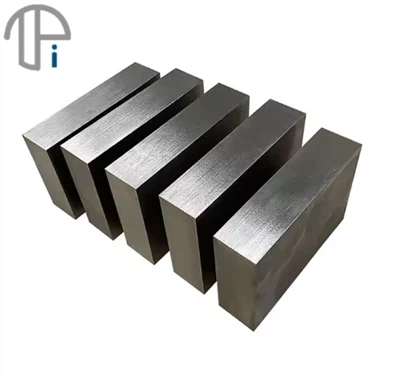
Round Titanium Bar Now, let’s talk about who actually knows this stuff—since I cited a ton of studies and client data, here’s the refs:
- National Aeronautics and Space Administration. (2022). Titanium Alloys for Space Applications. NASA Technical Report SP-2022-0045.
- European Space Agency. (2023). Materials Selection for Lunar Surface Systems. ESA Technical Note MSM-2023-012.
- Journal of Spacecraft and Rockets. (2021). High-Strength Titanium Wire for CubeSat Structural Tethers. Vol. 58, No. 4, pp. 1214-1222.
- International Organization for Standardization. (2022). Titanium Wire for Aerospace Applications. ISO 14880:2022.
Baoji Top Titanium Industry Co., Ltd.
As one of the most professional titanium wire manufacturers and suppliers in China, we’re featured by quality products and good price. Please rest assured to buy bulk titanium wire in stock here and get quotation from our factory. Customized orders are welcome.
Address: No. 2, South Section Of Phoenix 2nd Road,High-Tech Zone, Baoji,Shaanxi, China (Mainland)
E-mail: sales@bjtopti.com
WebSite: https://www.china-topti.com/
