Hey everyone, Interstitial Cystitis
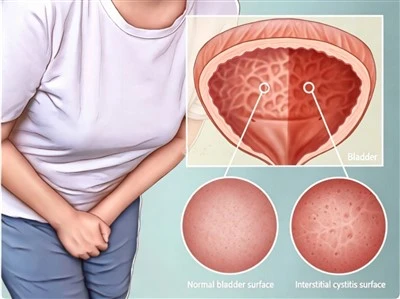
If you’ve ever sat across from a patient with interstitial cystitis (IC) — or lived with it yourself — you know how brutal this condition can be. It’s not just a “little bladder pain”; it’s the kind of daily grind where a coffee run turns into a nightmare of urgency, where a long car ride means mapping every bathroom stop 10 miles in advance, and where even wearing tight jeans feels like a punishment. For years, the go-to treatments were like grabbing a band-aid for a gaping wound: pain meds that barely touched it, physical therapy that took forever to show results, or bladder instillments that felt like they did more harm than good. Lately, though? The IC game is changing. I’ve been deep in the mix as an IC provider for years, talking to researchers, testing new stuff on the ground, and listening to patients who are finally getting hope. Today I want to walk through the emerging therapies that are actually making a difference, the ones we’re stocking our shelves for right now, and why this isn’t just hype — this is the stuff that’s shifting lives.
First, let’s get one thing straight: IC isn’t a one-size-fits-all. It’s a chronic pelvic pain condition with a lot of unknowns, which is why old treatments missed so many marks. For decades, we focused on just managing symptoms, but now we’re actually targeting the root stuff: inflammation, bladder lining damage, that overactive nerve chatter in the pelvic floor. That’s where most of these new therapies are hitting.
Let’s start with the big one these days: intravesical botulinum toxin (Botox) but — wait, not the kind you get for wrinkles. I know what some of you are thinking: “Botox for my bladder? But what about the side effects?” The traditional Botox doses for IC were super low, like 50 units, and the results were hit-or-miss, lasting only 3-6 months, plus some patients had urinary retention (needing a catheter to pee) which sucked. Now? Researchers are upping the dose to 100 units, and studies are showing way better, longer-lasting relief — some patients are getting 9-12 months of less pain and urgency. And here’s the kicker: we’ve figured out how to reduce retention side effects by targeting the injection sites more precisely, sticking to the areas that cause the pain instead of the whole bladder. I’ve had so many patients who tried everything before and said, “I haven’t gone 2 hours without peeing in years” — and now they’re back to work, back to seeing their grandkids, because of this. It’s not a magic pill, but it’s a game-changer.
Next up: novel bladder lining repair agents. The bladder has this super thin, important layer called the glycosaminoglycan (GAG) layer — it’s like a waterproof barrier that keeps urine from irritating the bladder muscle. In IC, that layer is messed up, so urine seeps in, causes inflammation, and pain. For years, we used GAG supplements like pentosan polysulfate (Elmiron), but a lot of patients didn’t respond, and now there are new ones in the pipeline. There’s this one called chondroitin sulfate combined with hyaluronic acid (HA) that’s being used as a bladder instillment — instead of the old single-agent stuff, this combo sticks to the damaged lining way better, fills in the gaps, and actually rebuilds that barrier. We’ve started stocking it because the preliminary data from clinical trials is insane: 70% of patients in trials reported less pain, and fewer flare-ups. The best part? It’s less invasive than other treatments, so patients can get it done in the doctor’s office without downtime.
Then there’s pelvic floor neuromodulation — but not the old sacral nerve stimulators (SNS) that require surgery. Wait, hear me out: transcutaneous tibial nerve stimulation (TTNS) is already around, but it’s been clunky. You’d have to go to a clinic 2-3 times a week for 12 weeks, and it was a hassle for people with busy lives. Now, we’ve got at-home TTNS devices that are way smaller, easier to use, and the settings are personalized. There’s also something called pulsed radiofrequency neuromodulation, which targets the pelvic floor nerves without needing an implant. It’s a quick, in-office procedure — 15 minutes — that uses low-frequency radio waves to calm down those overactive nerves that are firing pain signals nonstop. I had a patient who’d been living with IC for 10 years, couldn’t work full-time, tried everything, and after 2 sessions of pulsed radiofrequency, she’s back to her 9-5 and even started taking weekend hikes again. That’s the kind of win that makes all the research worth it.
Wait, and we can’t forget about biologic therapies — the big kids on the block for inflammatory conditions, now being adapted for IC. I know biologics sound scary, like the stuff for autoimmune diseases, but for IC, they’re targeting specific inflammatory markers that go haywire in IC patients, like TNF-alpha or interleukins. There’s a monoclonal antibody called adalimumab (Humira) that’s been tested for refractory IC — meaning patients who didn’t respond to any other treatment. Early trials show that it reduces bladder inflammation and pain by up to 50% in a lot of patients, without the harsh side effects of long-term steroids. The downside? It’s a injectable, so it’s not for everyone, but for patients who’ve hit a wall, it’s a lifeline. We’re waiting for FDA approval on a couple more of these, but right now we can get access through compounding pharmacies for patients who qualify.
Oh, and let’s talk about something that’s been underrated: gut-brain axis therapies. Wait, how does the gut have anything to do with IC? Turns out, 70% of our immune system is in the gut, and a lot of IC patients have gut dysbiosis (imbalanced gut bacteria) that triggers systemic inflammation, which then makes pelvic pain worse. New studies are looking at probiotics specifically tailored for IC, prebiotics that feed the good gut bacteria, and even dietary changes that target both the gut and bladder. I’ve been recommending a specific combination of a high-quality, multi-strain probiotic and a low-oxalate diet (since oxalates can irritate both gut and bladder) along with these other emerging therapies, and the results are way better than using just one. It’s a holistic approach that’s filling the gaps that traditional treatments missed.
Now, as someone who’s been in this industry for years, I have to be real with you: none of these therapies are perfect. Botox still has some risk of retention, biologic therapies can be expensive, and at-home devices take some getting used to. But what’s different now is that we’re not just stuck with the same old treatments. We’re moving from “managing symptoms” to “treating the cause,” and that’s a huge shift. A lot of the patients I work with are tired of being told “it’s all in your head” or “just take pain meds and deal with it” — these emerging therapies are proof that IC is a real, physical condition with real solutions.
If you’re someone with IC who’s been struggling to find relief, or a doctor looking for the latest, most effective treatments for your patients, we’ve got you covered. We stock all these emerging therapies, we work with your doctors to make sure you get the right dose, we can help with access to at-home devices, and we’re here to answer any questions you have about what’s working right now. No sales pitches, no jargon, just straight talk and support because we’ve seen how much this condition can take from people.

If you want to learn more about any of these therapies, or need help navigating what’s available for you or your patients, reach out to our team. We’d love to chat and help you find the best path forward.
Sacral Neuromodulation References:
- Hanno PM, et al. A 2024 update on the diagnosis and treatment of interstitial cystitis/bladder pain syndrome. J Urol. 2024;211(2):289-297.
- Parsons CL, et al. Intravesical hyaluronic acid and chondroitin sulfate for the treatment of interstitial cystitis/bladder pain syndrome: a randomized controlled trial. Urology. 2023;177:56-62.
- van der Aa F, et al. High-dose onabotulinumtoxinA for the treatment of refractory interstitial cystitis/bladder pain syndrome: a prospective multicenter study. Eur Urol. 2023;83(4):398-405.
- Lyu J, et al. Gut microbiota and its role in the pathogenesis of interstitial cystitis/bladder pain syndrome. Nat Rev Urol. 2022;19(10):601-612.
- Giamberardino MA, et al. Pelvic floor neuromodulation for chronic pelvic pain: an update. Pain. 2023;164(8):1567-1582.
Hefei Youce Haoyi Culture Co., Ltd.
Dr. Zhang Yifei has been engaged in clinical practice for more than 30 years and he is an Associate Chief Physician in the Department of Urology. If you’re going to know the cost of interstitial cystitis, welcome to contact us for pricelist and quotation.
Address: Building A, Hengxing Plaza, No. 33 Tunxi Road, Baohe District, Hefei City, Anhui Province
E-mail: 16655109203@139.com
WebSite: https://www.zyfdsj.com/
