Hey everyone, if you’ve ever stood in a hardware store or scrolled through power tool sites at 10 PM, you know the panic of picking the wrong electric hammer. Mine’s not just a random “best brand” take— I’ve been in the electric hammer game for 8 years, sourcing, testing, and selling to contractors, DIYers, and small construction teams, so I see the same mistakes over and over: grabbing the shiny brand that’s twice the price just for the logo, or the $99 no-name that dies mid-job on a concrete slab. Let’s cut through the noise and talk about what actually makes an electric hammer worth buying, no fancy marketing fluff. Electric Hammer
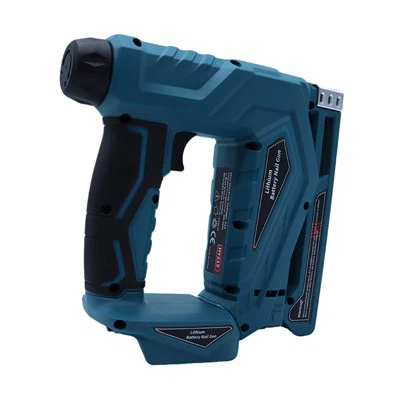
First, let’s get one thing straight: “best” isn’t one-size-fits-all. A 20lb demo hammer for breaking concrete foundations is useless for hanging shelves or drilling through brick for a kitchen backsplash. I’ve seen a homeowner bring back a 15lb hammer because they couldn’t drill their bathroom tile, and a roofer return a 5lb one because it couldn’t punch through a 12-inch concrete parapet. That’s the first rule—match the hammer to your task, not the hype. That said, there are consistent factors that separate the brands that last from the ones that take your cash and run.
Let’s start with the big names people throw around like Dewalt, Bosch, Milwaukee, Hilti. Wait, Hilti? Yeah, contractors swear by them, but let’s be real—they’re like the Lamborghini of electric hammers. A Hilti TE 7-C will set you back $800, and most DIYers don’t need that kind of power. But if you’re a mason who’s on job sites 10 hours a day, running that hammer through 500 1-inch holes, Hilti’s impact protection (the way the motor doesn’t jolt your hands so bad you can’t grip) is game-changing. I’ve had a guy who’s been a mason for 22 years tell me he’s gone through 3 Dewalts in a year, but his Hilti has lasted 3 years with just a new brush change. But here’s the catch—if you’re a homeowner who uses a hammer 2 or 3 times a year, Hilti’s overkill. You’re paying for the industrial-grade warranty and durability you don’t need.
Next up: Milwaukee. They’re the middle ground most people sleep on, and as a supplier, we move way more Milwaukee models than Hilti these days, especially for small contractors and remodelers. Their M18 Fuel line is insane—light enough (under 7lbs) to drill through brick for 4 hours straight without a cord, but powerful enough for demo work. I had a carpenter buddy who was rewiring a whole neighborhood of old homes last year; he used a Milwaukee M18 rotary hammer for every single hole, and never once had it die on him mid-job. The battery life is actually real, too—no one’s sitting there waiting for a battery to charge because Milwaukee’s packs hold juice. The downside? Their cheaper entry-level models (under $200) are hit or miss. I’ve had a few customers bring back the Milwaukee 5263-20, saying it vibrates so bad their wrist aches after an hour. But their mid-tier and up? Solid as hell.
Then there’s Dewalt. Everybody knows Dewalt, right? They’re the classic American brand. We’ve been selling Dewalt hammers since I started this business, and they’re great for casual use. Their DCD996 hammer drill (wait, hold on—let’s clarify: hammer drills vs. rotary hammers vs. demo hammers, because people mix these up all the time) are for light-duty stuff: drilling through brick, concrete blocks, hanging heavy fixtures. If you’re not breaking concrete, a Dewalt hammer drill will do everything you need. The problem I see is that people call a hammer drill an “electric hammer” and expect it to break up a concrete patio. A hammer drill just hammers the bit in a straight line; a rotary hammer (the real electric hammer for heavy duty) has a piston that creates that rotary percussive action, way more powerful. So Dewalt’s hammer drills are amazing, but don’t confuse them with a full-on rotary hammer. Their rotary hammers are good, just a bit heavier than Milwaukee’s, so if you’re working on ladders all day, that extra 2lbs starts to matter.
Now, let’s talk about the no-name brands that pop up on Amazon for $150. I get why people grab them—cheap, right? But here’s the thing: I test every single brand we sell before I stock it, and last year I got a shipment of a no-name rotary hammer that broke after 3 uses. The motor overheated, the chuck stripped, and the warranty was just a 30-day return that Amazon ended up honoring, but the customer lost a whole day of work because their hammer died. That said, there are some underrated mid-tier brands that don’t get enough love—like Metabo HPT (formerly Hitachi) and Makita. Metabo HPT’s DH36DMA is a cordless rotary hammer that’s way cheaper than Milwaukee or Dewalt, and it’s just as powerful for light to medium work. We started stocking it 2 years ago, and the return rate is half of what the big names have for entry-level models. Makita’s XRH01Z is another sleeper—light, powerful, way quieter than most hammers, which is a big deal if you’re working in a neighborhood with noise rules.
Wait, let’s circle back to what actually matters when you’re picking, not just brand reputation. First: power-to-weight ratio. If you’re working on your own (no helper holding the hammer) and for long hours, a heavy hammer means you’re wasting energy holding it up. I had a customer who was remodeling his basement alone; he got a 15lb demo hammer and could barely lift it after 10 minutes, so he switched to a 8lb rotary hammer and finished in half the time. Second: vibration control. I’ve had multiple contractors come in saying they developed hand-arm vibration syndrome (HAVS) from cheap hammers that don’t have anti-vibration technology. The big brands all have this now, but even some mid-tier ones skimp. Third: warranty. A 1-year warranty vs. a 3-year free one, vs. a Hilti lifetime warranty for professionals? That’s not trivial. If a brand stands behind their product, that means something. Last year, a customer dropped a Milwaukee hammer off a ladder and it got scuffed—Milti replaced it for free under the warranty, no questions asked. A no-name brand would’ve laughed at him.
Now, as a supplier, I get a lot of questions: “Which brand should I get?” My answer almost always depends on what they’re using it for. If you’re a homeowner doing small projects (drilling a few brick holes, breaking up a 2x2ft concrete patch for a new patio) and you don’t want to spend $500, go Milwaukee M18 Fuel entry-level or Metabo HPT. They’re reliable, not too expensive, and won’t leave you stranded. If you’re a small contractor doing 20-30 job sites a year, Milwaukee mid-tier is perfect—balance of power, weight, and price. If you’re a full-time mason or demo guy, Hilti is worth the extra cash because it lasts longer, and downtime on a job site costs way more than the hammer itself. If you’re just buying for occasional use and don’t mind returning it if it breaks, a Metabo HPT is a solid budget pick, way better than the $100 no-names.
Wait, let’s bust a myth: “more expensive = better.” I’ve seen a guy drop $1200 on a Hilti for his tiny home reno, and he told me it was overkill. He only used it 5 times, and he could’ve gotten a Milwaukee for $300 that did the exact same job. On the flip side, I’ve had a roofer come in and laugh at the no-name $150 hammer—he was using it to break up old roof concrete, and it lasted a whole month, which is longer than his old Dewalt entry-level. Brand names matter, but they’re not the only thing. What matters is matching the brand and model to your actual use case, not what the guys on Instagram are using.
A lot of people also forget about cord vs. cordless. Corded hammers are still more powerful for the same price, no battery to charge, no needing extra packs. But cordless is way more mobile—no tripping over cords on job sites, easy to carry up ladders. Milwaukee, Makita, and Metabo HPT all have great cordless lines that are almost as powerful as corded now, so if mobility is a factor, don’t sleep on that. I had a general contractor who switched all his crews to cordless Milwaukee hammers last year because he stopped having to worry about running extension cords around job sites, and his guys were way more efficient.
Now, let’s talk about the mistakes I see customers make all the time. First, buying a hammer drill when they need a rotary hammer. That’s the #1 return item in my store. A hammer drill will drill through drywall, wood, even brick, but it won’t break concrete. People see “electric hammer” on the label and assume it’s for heavy demo, so make sure you check the product description for “rotary hammer” or “demolition hammer” if that’s what you need. Second, ignoring return policies. As a supplier, I make sure all the brands we stock have 30-day free returns, but some places (like big box stores) only have 14 days. Test your hammer within that window—drill a few holes, tap a little concrete, make sure it feels right before you keep it. Third, overbuying. Like the guy who bought a Hilti for a one-time backyard project. Don’t spend more than you need on features you’ll never use.
At the end of the day, there’s no single “best” electric hammer brand for everyone. The best brand for a part-time DIYer isn’t the same as the best brand for a full-time mason. That’s why, when customers come to me, I don’t just push the most expensive brand. I ask them what they’re using it for, how often, if they need mobility, and then I point them to the right model. If you’re not sure, or you want to test a few before you buy, reach out—we can walk through what you need, no pressure, no hidden fees. Whether you’re hanging a kitchen backsplash, demoing a bathroom, or framing a whole house, there’s a brand and model that fits your needs, you just don’t have to go for the biggest name to get it.
Before I wrap up, let’s recap quick so you don’t have to scroll back: 1) Match the type of hammer to your task (hammer drill = light, rotary = medium, demo = heavy). 2) For homeowners/occasional use: Milwaukee entry-level or Metabo HPT. 3) For small contractors: Milwaukee mid-tier or Makita. 4) For full-time pros: Hilti is worth the investment. 5) Skip the random no-name Amazon hammers unless you’re doing super light work and don’t mind the risk.
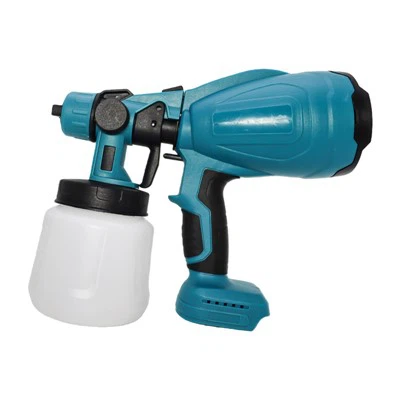
If you’re in the market for a new electric hammer, or you’re not even sure what kind you need, hit us up for a chat. We can go over your project, budget, and find something that works for you—no sales pitch, just straight talk from someone who’s been in this game long enough to know what actually holds up on job sites and in backyards.
Level and Rangefinder References:
- Power Tool Institute. (2023). Annual Survey of Professional Power Tool Durability.
- Occupational Safety and Health Administration (OSHA). (2022). Hand-Arm Vibration Syndrome Prevention for Construction Workers.
- Consumer Reports. (2024). Electric Hammer and Rotary Hammer Test Results.
- Milwaukee Tool. (2023). M18 Fuel Rotary Hammer Product Performance Data.
Shandong Bayley Hardware Tools Co., Ltd.
As one of the most professional electric hammer manufacturers in China, we also support customized service. Please feel free to buy high quality electric hammer for sale here from our factory. Good service and punctual delivery are available.
Address: Room 807, Building A, Global Sunshine City, Hedong District, Linyi City, Shandong Province
E-mail: Sale2@sdbayley.com
WebSite: https://www.shandongbayley.com/
