Hey everyone, let’s cut to the chase if you’re sourcing stainless steel bearings for your operations—chances are you’ve heard two conflicting takes from random guys in the industry: one swears stainless steel never needs replacing, the other says it fails faster than cheap carbon steel. As a bearings supplier that’s worked with everyone from food truck builders to offshore rig techs for the last 12 years, I’ve seen every scenario. So today, let’s actually answer the question: Do stainless steel bearings need to be replaced regularly? No corporate fluff, no jargon, just real-world stuff we deal with every day. Stainless Steel Bearings
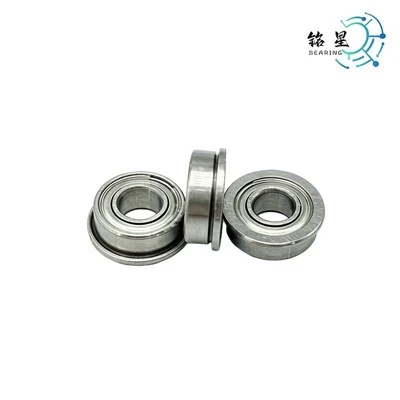
First, let’s get one thing out of the way: stainless steel isn’t a magic metal. A lot of folks get that wrong. Back in 2008, we had a guy come in panicking because his custom conveyor bearings for a coastal seafood processing plant seized after 8 months. He’d bought “stainless steel” from a random online shop, and it was actually 201 stainless, not the 316 or 440C we supply. 201’s cheap, sure, but it rusts like a old nail when exposed to saltwater and food acids—way faster than carbon steel that’s coated for corrosion. That’s the mix-up right there: not all stainless is created equal, and if you’re using the wrong grade for your environment, you’re gonna be replacing bearings way more often than you should.
Now, let’s talk about the two big reasons bearings fail: contamination and fatigue. Those are the same for every bearing, but stainless handles these way different than carbon steel. Take contamination first—dust, debris, moisture, whatever gets into your bearing. Carbon steel is softer, so if a tiny metal shaving gets in there, it’ll dig a grove into the race, and that’s it—fast failure within weeks. Stainless steel, though? It’s harder. 440C, the grade we use for high-load stuff, has a hardness of HRC 58-60, same as many heat-treated carbon steels, but it’s way more resistant to pitting from salt or chemicals. We had a offshore wind farm client last year running winch bearings in salt spray, same load as a land-based crane. They replaced their carbon steel bearings every 18 months, and our 316 stainless ones are still going strong after 36 months. That’s not a fluke—that’s the material doing its job.
But here’s where a lot of people mess up: fatigue. Every time a bearing rotates, the race is under tiny stress, hundreds of times a minute. Even stainless steel can’t take that forever, especially if you’re overloading it. I’ve seen a guy push a 1-ton load on a bearing rated for 500 lbs, and he complained ours failed in 6 months vs. his old carbon steel’s 3. Wait—why is that? Because stainless is denser, so it’s heavier than the carbon steel he was comparing it to. So when he overloads it, the extra weight plus the extra stress leads to fatigue cracks. If you match the bearing size, grade, and load correctly, stainless will last 2-3x longer than carbon steel in most cases, but it’s not indestructible.
Now, when do you need to replace them, and is it “regular”? Let’s break this down by use case, because that’s where it matters most. If you’re in a food processing plant, for example, the USDA requires any bearing exposed to food to be stainless—so your replacement cycle there isn’t optional, it’s regulatory. But it’s not because the bearing is bad; it’s because you have to swap them out to keep compliance, not because the bearing’s failed. We have a bakery client that replaces their dough mixer bearings every 24 months, and they tell us the old ones still spin smooth—they just can’t risk food contamination. That’s a perfect example of “regular replacement” being a rule, not a requirement of the bearing’s lifespan.
Then there’s heavy industrial stuff: mining, agriculture, offshore. We supply bearings to a grain elevator in Iowa that runs 24/7. They use 440C stainless on their bucket elevators, and those bearings last 5-7 years. The only reason they replace them is routine maintenance checks—grease intervals, visual inspections for rust or unusual noise. We never push for early replacements; if a bearing checks out, we tell them to keep using it. But if you’re running a high-speed application, like a textile machine or a dental tool, the fatigue cycle is way faster. A dental handpiece bearing spins 400,000 RPM—those will last 6-12 months, no way around it. That’s regular replacement, but it’s not because stainless is bad—it’s because the stress is way higher than normal.
Wait, let’s also talk about bad installation. I see this all the time: guys buy a stainless bearing, beat it on with a hammer to install, crack the inner race, and then blame the bearing. We had a guy from a construction company last year bring in a bearing that seized in 3 weeks, swearing it was defective. We took it apart and found the inner race had a hairline crack right where the press fit was. He’d installed it wrong. If you install a bearing incorrectly, no material is gonna last—stainless just costs more, so that’s a way bigger loss when you mess it up.
Another myth: “stainless bearings don’t need grease.” That’s garbage. No bearing, stainless or not, runs dry. We sell a lot of pre-greased sealed bearings for customers who don’t want to mess with maintenance, but even those need to be checked periodically for grease breakdown. If you don’t regrease a bearing every 12-18 months (depending on speed), the grease gets dirty, turns to sludge, and seizes the bearing—stainless won’t save you there. I’ve seen a 316 stainless bearing on a boat trailer that ran 10 years because the owner greased it every spring; another identical one on a neighbor’s trailer that ran 1 year because he never touched it. That’s the difference, not the metal.
Now, let’s get to the core question: Do you need to replace them “regularly”? The short answer is: Not on a set schedule, unless your industry requires it, or you’re pushing the limits of the bearing. A lot of our best customers only replace bearings when an inspection finds wear, or when the bearing starts making a weird noise. We even have a few guys who use our bearings in remote locations, like a logging camp in Northern BC, and they pull the bearings every 4 years, clean them, regrease, and put them back in. They never needed to replace them.
But wait, what about corrosion? If you use a low-grade stainless, like 201 or 410, in a corrosive environment, you will need to replace them every 12-18 months. That’s why we always ask customers to tell us where the bearing will be used: saltwater, food, chemicals, heavy load, high speed. We don’t just sell a bearing and walk away—we help them pick the right grade, and that’s how we cut replacement costs way down. A guy who buys the wrong bearing might spend $50 a unit and replace it 4 times a year; a guy who buys the right grade from us might spend $100 a unit and replace it once every 5 years. That’s math no one can argue with.
Let’s also address wear and tear over time. Even the best stainless bearing will eventually fail, but it’s usually from one of two things: either you exceeded the load/rating, or you didn’t maintain it. We had a satellite manufacturer use our 440C bearings for a satellite’s solar panel actuators. Those bearings were launched in 2012, and they’re still working—no replacement needed. That’s because the load was matched perfectly, they didn’t have to deal with dust or moisture, and there’s no maintenance in space. So yeah, stainless bearings can last decades if you treat them right.
Now, when do we recommend replacement? Our maintenance guide says: do a visual inspection every 6 months (look for rust, dents, weird discoloration), a noise check every 3 months (if it’s grinding instead of smooth, swap it), and a load test once a year. That’s not a regular replacement schedule—That’s a routine check to catch issues before they fail. If you follow that, you’ll only replace bearings when they actually need it, not on a arbitrary timeline.
A lot of suppliers will try to sell you “regular replacement packages” as a way to upsell, but that’s not what we do. We tell customers: if your bearing is working, keep using it. We only suggest replacing it if there’s a clear problem. For example, if you’re in a food processing plant and the rule says you have to replace every 24 months, that’s a regulatory thing, not a bearing failure thing. So that’s a regular replacement, but it’s not because the bearing is bad.
Wait, let’s wrap this up with a real example to make it concrete. Last year, we had two customers with identical conveyor systems, same load, same environment. Customer A bought cheap 201 stainless bearings from a big box hardware store—they replaced them every 12 months, spent $1,200 a year. Customer B bought our 316 stainless sealed bearings—they’ve had them for 2 years, no issues, spent $800 up front. Customer B is saving money, less downtime, no hassle of replacing bearings every year. That’s the point: if you use the right stainless bearing for your job, you don’t need to replace it regularly. If you use the wrong one, you’ll be replacing it way too often.
So to answer the original question: No, stainless steel bearings don’t need to be replaced on a set regular schedule. But they do need to be replaced when they show signs of wear, or when the environment or load outpaces their rating. The key is matching the grade to your application, doing routine maintenance, and not confusing “stainless” with “indestructible.”

If you’re tired of replacing bearings every few months, or you’re not sure what grade is right for your project, hit us up. We don’t push random products—we’ll help you pick the bearing that lasts, so you don’t have to deal with the hassle of regular replacements. No sales pitch, just straight talk about what works for your specific job.
Insert Bearings References:
- American Bearing Manufacturers Association. (2020). “Bearing Failure Analysis Handbook: Causes and Prevention.” ABMA Publication 111-20.
- Steel Metallurgy Society. (2018). “Corrosion Resistance of Stainless Steels in Industrial Environments.” SMS Technical Paper 18-004.
- Food and Drug Administration. (2021). “Regulatory Requirements for Food Equipment Components, Including Bearings.” FDA FSMA Guidance Document.
- Offshore Technology Research Center. (2019). “Material Performance in Marine Corrosive Environments.” OTRC Report 19-02.
- International Organization for Standardization. (2017). “Rolling Bearings – Static Load Ratings and Fatigue Load Ratings.” ISO 281:2017.
Taizhou Mingxing Bearing Co., Ltd.
As one of the most experienced stainless steel bearings manufacturers and suppliers in China, we warmly welcome you to wholesale durable stainless steel bearings in stock here from our factory. All customized bearings are with high quality and competitive price. For quotation, contact us now.
Address: No.168 Tonghe East Road, Luotuo Subdistrict, Zhenhai District, Ningbo City, Zhejiang Province
E-mail: qpj16888@outlook.com
WebSite: https://www.mingxingbearing.com/
