Hey there! I’m a supplier of gravure rollers, and today I wanna chat about how ink viscosity can have a huge impact on the printing quality of a gravure roller. Gravure Roller
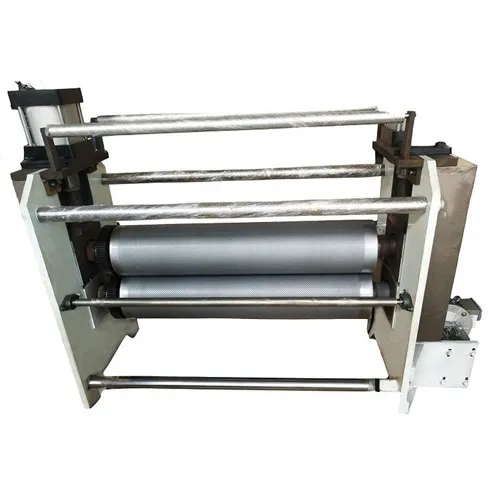
First off, let’s get a basic understanding of what ink viscosity is. Viscosity is basically a measure of a fluid’s resistance to flow. In the case of ink, it determines how thick or thin the ink is. You know, like honey has a high viscosity – it’s thick and flows slowly – while water has a low viscosity and flows easily.
So, how does this relate to gravure printing? Well, in gravure printing, the ink is transferred from the engraved cells of the gravure roller onto the printing substrate, like paper or plastic. The viscosity of the ink plays a crucial role in this transfer process.
When the ink viscosity is too high, it can lead to a bunch of issues. For starters, it becomes difficult to fill the engraved cells of the gravure roller properly. The thick ink doesn’t flow easily into the tiny cells, which means that the amount of ink transferred to the substrate will be inconsistent. You might end up with areas that are under – printed, looking pale or patchy.
Imagine trying to pour honey into a bunch of small holes. It’s gonna be a real struggle, and you’re not gonna get an even amount in each hole. That’s exactly what happens with high – viscosity ink in a gravure roller.
Another problem with high – viscosity ink is that it can cause the ink to build up on the surface of the gravure roller. As the roller rotates, the thick ink doesn’t release easily from the cells, and instead, it starts to accumulate on the roller. This buildup can then transfer unevenly to the substrate, creating smudges and blurry prints.
On the other hand, when the ink viscosity is too low, it also has its own set of problems. Low – viscosity ink flows too easily. This means that it can overflow from the engraved cells of the gravure roller. When the ink overflows, it can spread beyond the intended printing area, causing bleeding and loss of sharpness in the printed image.
Let’s say you’re trying to print a high – resolution logo. With low – viscosity ink, the fine lines of the logo might start to bleed into each other, making the whole image look messy.
Moreover, low – viscosity ink may not adhere well to the substrate. Since it’s so thin, it doesn’t have enough body to stick properly, and you might find that the printed image rubs off easily or fades quickly.
Now, achieving the right ink viscosity is like finding the sweet spot. It depends on several factors. The type of substrate you’re printing on is one of them. For example, if you’re printing on a porous material like paper, you might need a slightly higher – viscosity ink to prevent excessive absorption. On the other hand, if you’re printing on a smooth plastic surface, a lower – viscosity ink could work better for better spreadability.
The speed of the printing press also matters. At high printing speeds, the ink needs to be able to transfer quickly from the roller to the substrate. A lower – viscosity ink can handle this better as it flows more easily. But if you slow down the press, you might be able to use a slightly higher – viscosity ink without running into too many problems.
The design of the gravure roller itself is another factor. If the engraved cells are very deep, a higher – viscosity ink might be needed to ensure proper filling. Shallow cells, on the other hand, can work well with lower – viscosity inks.
As a gravure roller supplier, I’ve seen firsthand how important it is for printers to get the ink viscosity right. I often work closely with my customers to understand their specific printing needs. Whether they’re printing packaging materials, labels, or magazines, I help them choose the right gravure roller and also give advice on the appropriate ink viscosity.
I remember one customer who was having issues with their printed labels. The colors were looking dull and uneven. After some investigation, we found out that they were using an ink with a viscosity that was too high for their printing setup. We recommended a slight adjustment to the ink formulation to lower the viscosity, and once they made the change, the quality of their labels improved significantly. The colors were brighter, and the prints were much sharper.
To measure and control ink viscosity, there are several tools available. One common tool is a viscometer. It’s a simple device that can give you an accurate reading of the ink’s viscosity. Printers can use this reading to make adjustments to the ink, either by adding solvents to lower the viscosity or thickeners to increase it.
Regular monitoring of the ink viscosity during the printing process is also crucial. Ink viscosity can change over time due to factors like temperature and evaporation. So, it’s a good idea to check the viscosity at regular intervals and make any necessary adjustments.
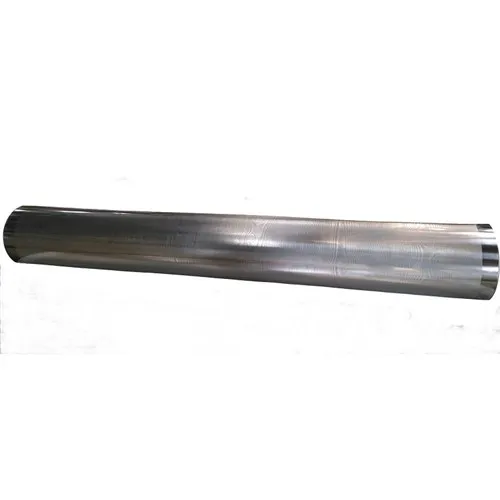
In conclusion, ink viscosity has a profound impact on the printing quality of a gravure roller. Whether it’s high or low, the wrong viscosity can lead to a range of problems, from uneven prints and smudges to bleeding and poor adhesion. As a gravure roller supplier, I’m always here to help you navigate these issues. If you’re looking for high – quality gravure rollers and need advice on getting the best printing results, don’t hesitate to reach out. Let’s work together to make your printing projects a success!
Consumable References
- "Gravure Printing Technology" by some industry experts
- Various research papers on ink properties and printing processes from well – known printing research institutions
Kunshan Hanhan Co., Ltd.
We’re well-known as one of the leading gravure roller manufacturers and suppliers in China. We warmly welcome you to buy high quality gravure roller made in China here from our factory. If you have any enquiry about cooperation, please feel free to email us.
Address: No. 1093, B Zone, No. 2 Xugongqiao Rd, Huaqiao Town, Kunshan City, Suzhou, Jiangsu, China
E-mail: info@kshhroller.com
WebSite: https://www.kshh-roller.com/
