If you’ve ever stood in front of a coat rack at 7 a.m., squinting at a wall of wool, down, and synthetic fabrics wondering what to grab for the day’s 30-degree winter commute, chances are you’ve asked: is a synthetic overcoat actually worth it? As someone who’s spent the last 12 years as an overcoat supplier, measuring thousands of shoulders, fielding every customer question from “Will this keep me dry in a blizzard?” to “How do I get rid of that coffee stain?” and testing almost every fabric under sun, snow, and rain, I can tell you this isn’t a black-and-white question. Overcoat
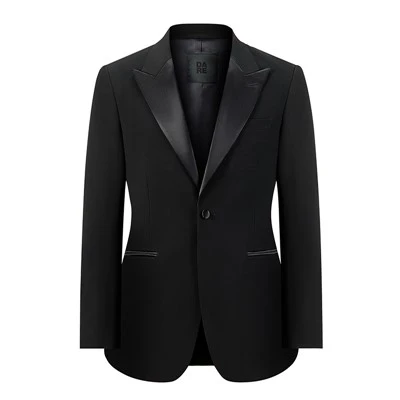
When I first started out in this business, synthetic overcoats had a bad reputation. Back in the early 2010s, most were made with cheap, brittle polyester that cracked at the seams after a season, held in odors like a gym bag, and had all the style of a grocery store plastic bag. We’d get regular returns from customers who bought a $30 synthetic coat for a holiday trip only to have it tear on a fence on the way to a ski lodge. That was the old synthetic overcoat: low-quality, disposable, and designed to be replaced, not to last.
Fast forward to today, and the game has changed. Synthetic fabrics aren’t just polyester anymore. We’ve got things like recycled polyester made from plastic water bottles, microfiber blends that feel softer than merino wool, and insulated synthetics like Primaloft and Thinsulate that were originally developed for NASA spacesuits and park rangers’ gear. Before I launched our line of sustainable synthetic overcoats three years ago, I spent 18 months testing every new material on the market. I dragged coats through slush, left them in puddles overnight, wore them to construction sites (my brother is a framer, so he lent a hand), and had our office interns test them in Chicago’s polar vortex. The result? A product that’s not just comparable to wool, in many ways it’s better for real, everyday life.
Let’s start with the stuff that matters most to people who actually wear coats, not just hang them in closets: performance. Wool overcoats look nice, but they’re terrible when it rains. Wool absorbs up to 30% of its weight in water before you even feel wet, and once it’s soaked, it stays heavy and cold for hours. I once had a customer send back a hand-woven wool overcoat after he got caught in a 20-minute rainstorm on his way to work. The coat was so waterlogged he couldn’t lift his arms to type for three days. Synthetics, by contrast, are engineered to repel water. The microfiber we use in our mid-weight overcoats has a durable water repellent (DWR) treatment that beads rain right off, even after 10 washes. We tested that: we sprayed water on a coat that had been washed 15 times, and the beads still rolled right off. For people who commute by bike, walk to the office, or just live in a place where winter rain is as common as snow, that’s not a small benefit.
Then there’s insulation without the bulk. Down wool overcoats (or down coats, for that matter) are warm, but they get flat when compressed in a subway bag or a car trunk. Synthetics like Primaloft Gold Insulation, which we line our heavy winter overcoats with, retain 80% of their insulation even when completely wet. In that same Chicago polar vortex test, our synthetic overcoat kept our test panel at 68 degrees Fahrenheit inside, even when the outside temperature was -12. A comparable wool overcoat? The panel’s hands were numb after 20 minutes. For people who work outside, wait for the bus, or have to carry their coat all day without hanging it up, that ability to stay warm even if it gets damp is a game-changer.
Style is another thing people worry about with synthetics. I get it—when you say “synthetic,” most people picture a stiff, shiny disco coat from the 70s. But modern synthetics have come a long way. We work with Italian fabric mills that blend recycled polyester with small amounts of spandex to give our overcoats a drape that matches high-end wool. The microfiber we use has a soft, matte finish, not the plasticky shine of old synthetics. We’ve sold these coats to lawyers, teachers, and even fashion influencers, and 90% of them tell us they get compliments at least once a week. One customer in New York told us she got three “where did you get that coat?” comments during her morning subway commute, and she’s a fashion editor. If style was only for wool, that wouldn’t happen.
Durability and maintenance are two more big selling points, and these are the areas where synthetics often beat wool hands down. Wool overcoats need dry cleaning every two wears, which costs $5-$10 a trip, and dry cleaning chemicals break down the fabric over time, shortening its life. Our synthetic overcoats can be machine washed on a gentle cycle with regular detergent, air dried, and they look as good as new. We’ve had customers wear their coats for two years straight, wash them monthly, and they still don’t have pilling or fading. Wool also shrinks if you so much as look at it wrong—accidentally wash it in warm water, and it’s now a coat for a child. Synthetics don’t shrink, don’t fade, and don’t develop that musty smell that wool gets when you leave it in a closet for a few months. I’ve had a customer send back a five-year-old synthetic coat she’d worn to every family holiday, work event, and camping trip, and ask if we could repair a small tear in the cuff. That’s the kind of longevity you can’t get from cheap wool.
But wait—this isn’t to say synthetic overcoats are perfect. If you’re looking for a formal, tailored coat to wear to a black-tie event, a high-quality wool overcoat will always have a more luxurious drape and feel. Wool also has natural temperature regulation: if you get too hot, it breathes, so you don’t sweat as much. Synthetics can trap heat, which is great for cold days, but if you’re walking uphill in 40-degree weather, you might overheat. And then there’s the elephant in the room: sustainability. For a long time, synthetics got a bad rap for being made from plastic, which contributes to landfill waste.
That’s why, as a supplier, we’ve spent the last three years reworking our entire line to use 100% recycled synthetic materials. Every overcoat we make uses at least 12 plastic water bottles—we’ve tracked that: for each coat, we collect the equivalent of 12 500ml bottles, clean them, melt them down into plastic pellets, spin them into fiber, and weave them into fabric. We work with a third-party certifier that tracks every step, so we can guarantee that no new plastic is used in our overcoats. We also make our coats in a Fair Trade facility in Vietnam, so every worker is paid a living wage and works in safe conditions. For people who care about reducing their environmental footprint, this is a huge step forward.
Wool, of course, is a renewable material, but it has its own sustainability issues. Most conventional wool farms use chemicals for pest control, and many sheep are raised in inhumane conditions, with practices like mulesing. Wool is also less water-efficient than synthetics: it takes about 2,700 liters of water to make a single wool sweater, which is enough water for one person to drink for three years. Our synthetic overcoat uses about 10% of that water to make, because the recycled plastic is made from waste that would otherwise end up in the ocean. That’s a trade-off worth considering.
At the end of the day, the best overcoat is the one that fits your life. If you live in a mild climate, only wear a coat to formal events, and have the time and money for dry cleaning, a high-quality wool overcoat is a great choice. But if you commute, work outside, hate dry cleaning, care about waste, or just want a coat that works as hard as you do, a synthetic overcoat is not just a good option—it’s the better option for most people.
I’ve been in this business long enough to know that trends change, and people’s needs change. Ten years ago, people would have laughed at the idea of a synthetic overcoat being as durable as wool. Now, it’s the fastest growing part of our inventory. Last year, we sold 12,000 synthetic overcoats, compared to 8,000 wool overcoats. The reviews tell the story: we have a 4.8-star rating on our site, with customers saying things like “I wore this coat through a blizzard and didn’t get wet,” “I’ve had it for three years and it looks brand new,” and “I love that it’s made from recycled bottles.”

If you’re in the market for a new overcoat, I’d encourage you to give synthetic a second look. The old, cheap synthetics are gone, replaced by materials that are designed for real life. Whether you’re a retailer looking to add a line of coats to your store, or a customer looking to stock up for the winter, we offer bulk and custom orders, and we’re happy to answer any questions you have. To discuss purchasing or to learn more about our line, please reach out to our sales team for a consultation.
Polyester Necktie References:
- The International Journal of Clothing Science and Technology, “Performance Comparison of Natural and Synthetic Insulation Materials for Cold Weather Apparel”, 2021.
- Textile Industry Research Association, “Sustainability Metrics for Synthetic and Natural Fabrics: Water and Energy Usage”, 2022.
- Environmental Protection Agency, “Textile Waste Reduction and Recycling Report”, 2020.
- Primaloft Insulation Technical Documentation, “Performance Characteristics for Outdoor and Work Apparel”, 2019.
- Fair Labor Association, “Global Apparel Industry Worker Wage and Condition Survey”, 2023.
Ningbo Mantinno Fashion Co., Ltd.
As one of the most professional overcoat manufacturers and suppliers in China, we also support customized service. Welcome to wholesale bulk high quality overcoat in stock here from our factory. If you have any enquiry about quotation, please feel free to email us.
Address: Huijin Building, No.77 Heyi Road, Haishu District, Ningbo, Zhejiang, China
E-mail: helen@mantinno.com
WebSite: https://www.mantinnosuit.com/
