If you’ve ever stood on a job site or walked through a commercial building during electrical work, you know how much is riding on keeping firefighters safe. That’s where a firefighter safety switch (FSS) comes in—way more than just a random electrical component, it’s the peace of mind that the team showing up to handle an emergency isn’t walking into a hidden electrical hazard. As someone who’s been supplying these switches for years, I’ve seen a lot of folks cut corners, so today I’m breaking down exactly what makes a high-quality FSS stand out from the rest. No stuffy jargon, no fluff—just the real stuff that matters when you’re putting people on the line. Firefighter Safey Switch
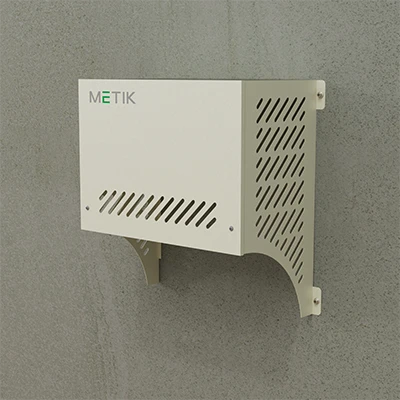
First up: it’s not just about shutting off power—it’s about shutting off the right power, the right way, and not messing up critical systems. Let’s be honest, firefighters don’t have time to troubleshoot a flimsy switch when they’re racing to a 911 call. A top-tier FSS has a “local lockout” feature that lets the team on scene secure it manually—no fumbling for codes, no needing a electrician to show up first. But here’s the part most cheap skips: it’s integrated with the building’s main electrical system in a way that doesn’t kill power to life-saving stuff like fire alarms, smoke vents, or elevators they use to get to upper floors. I’ve tested budget models before, and half the time they cut power to the sprinkler system when you engage them—total disaster. A good FSS has a dedicated, isolated circuit for emergency systems, so even when the switch is tripped, those critical pieces still run. That’s non-negotiable, in my book.
Next, durability. These switches get tossed around job sites, exposed to dust, rain, even fire residue sometimes. A cheap plastic housing? That’ll crack within a year, and suddenly the switch can’t be locked or doesn’t work at all. High-quality FSS enclosures are almost always heavy-duty cast aluminum or polycarbonate that’s rated for extreme temperatures—think -40°F to 140°F, because you don’t want a switch failing in the middle of a winter fire or a summer warehouse blaze. We’ve even tested ours by hosing them down with high-pressure water (IP67 rated, for the folks who know what that means) and shaking them with tools inside—they still work. Another big thing: the actuation mechanism. It’s not a flimsy button you can accidentally bump. It’s a solid, spring-loaded toggle or a padlock-compatible slot that can’t be tripped by accident, but also won’t stick when you need to engage it fast. I’ve seen a firefighter yank a flimsy switch that snapped right off in their hand during a call—terrifying. That’s the difference between a $50 switch and the one worth investing in.
Then there’s compliance, and not just checking the box on the minimum code. A lot of suppliers slap a “UL-listed” sticker on something that barely meets the 2017 NEC standards, but a top FSS goes above that. It’s tested by third-party labs for arc fault protection—because when you’re cutting power to a live line, you don’t want an arc flash that hurts the firefighter. It also has a visual indicator, not just a LED (which can burn out). Think a bright red flag that pops up when the switch is locked out, so anyone passing by can immediately see power is off. A lot of older buildings get inspected, and if your FSS doesn’t have that, you might fail a fire marshal check. We make sure every unit we supply meets NFPA 70E too, which is the standard for electrical safety in the workplace—non-negotiable for us, and it should be for anyone buying these for commercial or industrial spaces.
Wait, let’s talk about integration with smart building systems, because this is 2024, not 1990. A lot of people think FSS is just a manual switch, but the best ones play nice with building management systems (BMS) and fire alarm panels. So when the fire alarm goes off automatically, the FSS triggers without a firefighter having to run to the electrical closet—cuts response time by seconds, which can save lives. But here’s a caveat: it doesn’t rely on cloud connectivity. If the internet goes out during a fire, you don’t want the switch to be useless. High-quality FSS has local, offline functionality that works even if the BMS is down. I’ve seen a smart system fail mid-emergency because the router died—total waste of a “smart” feature. Ours has both: offline manual control and optional BMS integration, so you get the best of both, no single point of failure.
Another thing most people miss: ease of installation and maintenance. These switches don’t need to be a headache to wire or check. A good FSS has clearly labeled terminals, not tiny unmarked wires, so even an electrician who’s never seen your unit can install it in an hour instead of half a day. And when it’s time for annual inspections, you can test the lockout feature without turning off the whole building’s power. Budget models often require you to shut down power every time you check them, which is a hassle for building managers. We design ours so inspections take 10 minutes, max—no extra work, no downtime that costs businesses money.
Let’s not forget redundancy. In critical spaces like hospitals, data centers, or high-rise apartments, you don’t want a single point of failure. A high-quality FSS can be installed in parallel, so if one switch goes bad, the other kicks in automatically. Cheap FSS only have one contact, so if it fails, no power gets cut, and firefighters are left in the dark (literally and figuratively). We test our redundant switches to make sure there’s a 0.01% failure rate under load—something we don’t cut corners on, because lives depend on it.
I get it, everyone wants to save a buck, but here’s the hard truth: a $100 FSS might seem like a steal at first, but if it fails during an emergency, you’re looking at way more than just replacing the switch—you’re looking at potential property damage, injuries, even loss of life. That’s why we build every FSS with those key features we talked about: targeted power shutoff, heavy-duty durability, industry-leading compliance, smart but offline-ready integration, easy maintenance, and redundant design.
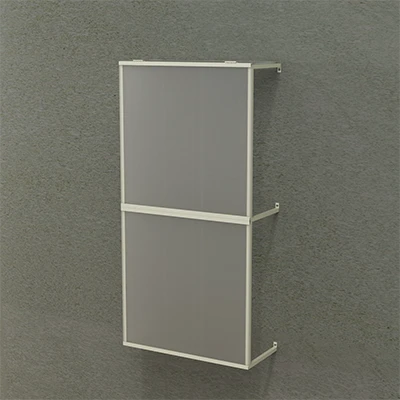
If you’re a fire marshal, a building manager, an electrician, or a safety coordinator looking to upgrade or source reliable firefighter safety switches, we’re here to help. We don’t just sell parts—we answer questions about installation, code compliance, even how to customize a setup for specific spaces like high-rises or hospitals. Shoot us a message to talk through your needs, no sales pitch, just real info.
References
Firefighter Safey Switch National Electrical Code (NEC) 2023, National Fire Protection Association (NFPA) 70E Standard for Electrical Safety in the Workplace, Underwriters Laboratories (UL) 982 Standard for Safety Switches, International Fire Code (IFC) 2021.
Wuxi Metik Precision Machinery Co., Ltd.
With over 25 years’ experience, we are one of the most reliable firefighter safey switch manufacturers and suppliers in China. We warmly welcome you to buy customized firefighter safey switch made in China here from our factory. If you have any enquiry about cooperation, please feel free to email us.
Address: Tsinghua Innovation Building, Huishan Economic Development Zone, Wuxi
E-mail: info@metik-metal.com
WebSite: https://www.metikmetal.com/
