If you’ve ever shipped anything that’s not just a cardboard box full of generic goods, you know pressure instruments aren’t like your average parcel. As someone who’s spent 12 years in the pressure instruments supply business, I’ve seen what happens when someone treats a digital pressure gauge or a differential pressure transmitter the same way they’d handle a t-shirt or a bottle of water. Last year, a regular client lost over $18,000 in production downtime because a shipment of high-precision pressure transducers arrived bent, with internal sensors knocked out of alignment—all because the driver stacked wooden pallets of cardboard boxes on top of them. That’s the kind of avoidable mistake I want to help you fix today. Pressure Instruments
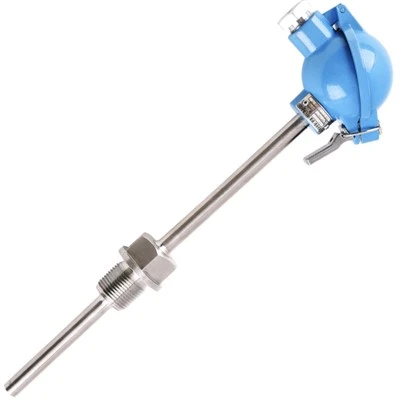
Pressure instruments, whether they’re the dial gauges used in refineries, the smart transmitters in pharmaceutical cleanrooms, or the portable calibration tools for field technicians, rely on three tiny, fragile internal components to work: the sensing element (often a bourdon tube, diaphragm, or piezoelectric crystal), the calibration chip that translates that element’s movement into a readable signal, and the glass or polycarbonate window that protects the dial or display. Even the smallest jolt, temperature swing, or sudden pressure change during transportation can warp the bourdon tube, throw the calibration chip off by 10% or more, or crack the window, turning a $500 precision tool into useless scrap. Most people don’t realize it until it’s too late—when they unpack the instruments, power them up, and they read wildly wrong numbers.
So how do you handle pressure instruments during transportation properly? It’s not rocket science, but it does require paying attention to details most shippers overlook. Let’s break this down step by step, based on years of shipping our own instruments to 20+ countries and troubleshooting hundreds of shipping-related issues for our clients.
First, the single most important thing you can do is use the original manufacturer’s packaging. I know, I know—your warehouse has stock boxes and bubble wrap, and you don’t want to waste space storing the custom foam inserts that come with every pressure instrument. But here’s the thing: those inserts aren’t just fancy packing. They’re precision-engineered to cradle every part of the instrument exactly where it needs to be. A bourdon tube, for example, is calibrated to a specific tension at the factory. If it’s shifted even a millimeter during handling, the entire calibration is off. Generic bubble wrap doesn’t hold it in place; it lets it bounce around inside the box.
I once worked with a oil and gas client who swore their warehouse’s “custom packing” was better than our original boxes. They’d take each gauge, wrap it in 3 inches of bubble wrap, stuff it in a generic cardboard box, and add a few foam peanuts. One month, they shipped 200 pressure gauges to a rig in the Middle East, and 60 of them failed calibration on arrival. When we opened one of the failed boxes, we found the bourdon tube had bent because it wasn’t supported at both ends—all that bubble wrap let it swing forward when the truck hit a pothole. After switching back to our original packaging, that same client had a failure rate of less than 0.5% for the next two years.
If for some reason you can’t use original packaging (say, you’re shipping a spare instrument that doesn’t have its box anymore), then you need to build a custom foam insert tailored to that specific model. The insert should have cutouts that match the exact shape of the instrument’s body, with extra padding around the display, connection ports, and sensing element. Never try to use a one-size-fits-all box for multiple models—even two gauges from the same product line might have slightly different sized bodies that shift around in a generic box.
Next, you need to classify your pressure instrument by its fragility rating before you ship. Not all pressure instruments are created equal. A low-range dial gauge for a residential water line is a lot tougher than a high-precision differential pressure transmitter used in semiconductor manufacturing, which can cost upwards of $10,000 and is sensitive to even minor vibration. The original manufacturer will print a fragility rating on the instrument or its original packaging—usually a number that represents the maximum g-force the instrument can withstand. For example, portable calibration gauges often have a fragility rating of 50g, while a smart transmitter might be 15g.
When you choose a shipping method, make sure the carrier can handle that g-force requirement. Standard LTL (less-than-truckload) carriers often stack dozens of pallets and drive over rough roads, which can expose goods to 20-30g of force. If your instrument is rated for 15g, that’s a problem. In that case, you need to specify a “white glove” or “specialized freight” service that prioritizes fragile goods, or use air freight for long distances, since air cargo usually has more careful handling than over-the-road LTL. I always tell our clients to check the carrier’s damage rate for fragile instrumentation before they book a shipment—most reputable carriers will share that data if you ask.
Temperature and humidity are two other factors that people almost never consider when shipping pressure instruments. Sensing elements like bourdon tubes and diaphragms are often made of metal, which expands and contracts with temperature changes. If you ship an instrument from a cold warehouse in Canada to a hot refinery in Texas without acclimating it first, the rapid temperature change can cause the metal to warp. Calibration chips are also sensitive to humidity—if moisture gets inside the instrument’s casing during transportation, it can corrode the connections and throw off the readings.
Here’s our company’s rule for temperature-sensitive pressure instruments: if the temperature difference between your shipping location and the delivery location is more than 20°F (11°C), you need to include temperature control packaging. That could be as simple as insulating the box with rigid foam, or for long-haul shipments, adding a phase-change material that keeps the internal temperature stable for 72 hours or more. For humidity, we always put a small desiccant packet (the kind that says “do not eat” on it) inside the packaging, right next to the instrument. It absorbs any moisture that gets in, so it can’t harm the internal components.
Proper labeling is another make-or-break step. I’ve seen dozens of shipments where the label just says “pressure instrument,” so the carrier handles it like any other box. You need to mark every package with clear, visible labels that say “FRAGILE – SENSITIVE INSTRUMENT” and “THIS SIDE UP” with arrows. For extra precaution, you can add a shock indicator label to each box—those little stickers that change color if the box is dropped or hit with too much force. That way, the delivery team can see right away if the package has been mishandled, and you can refuse delivery if it’s damaged, instead of finding out later when you power up the instrument.
One mistake I see all the time is overpacking. People think more bubble wrap and foam means better protection, but that’s not true. If you cram too much padding into the box, the instrument can’t “float” a little during transit—instead, it’s pressed so hard against the sides of the box that even a small jolt can crack it. The rule of thumb is: when you close the box, there should be about 1 inch of space between the instrument and the top, bottom, and sides, and that space should be filled with padding that’s firm enough to hold the instrument in place, but soft enough to absorb shocks.
Wait until you test your process before you start using it for every shipment. It takes 5 minutes to pack one instrument using your new method, power it up, and verify that it reads correctly. If the test works, then you’re good to go. If not, adjust your packaging. We do a test pack every time we roll out a new packaging method, and we also send a few test shipments to ourselves or a local client to make sure everything holds up. Last year, we changed our foam insert for our digital pressure gauges, and the first test shipment had one failed window because the insert was too tight. We adjusted the cutout by 1 millimeter, and the next 50 shipments had zero issues.
Even after you’ve packed the boxes correctly, how you load and stack them in the truck or cargo container matters. Pressure instruments should never be stacked under heavy items like tools, construction materials, or even other generic boxes. They should be loaded on top of heavier items, in the front of the truck where there’s less vibration, or in a separate area marked for fragile goods. If you’re using a pallet to ship multiple instruments, use a wooden pallet with edge protectors, and wrap the whole pallet with stretch film—but not too tightly, because that can squeeze the boxes and damage the instruments inside.
Let’s talk about a real example to tie all this together. A month ago, we had a client in the chemical processing industry who needed to ship 12 high-pressure transmitters to a plant in Brazil. The original plan was to use generic packaging and standard LTL freight, but we talked them out of it. We suggested using our original packaging, adding insulation and desiccant packets, labeling each box with shock indicators, and booking a specialized freight service that only handles fragile instrumentation. We also recommended testing each transmitter before packing, and again after unpacking to confirm calibration. The client went with our advice, and when the shipment arrived, every single transmitter was in perfect working order. The alternative would have been paying to replace 12 $800 instruments, plus the $15,000 in lost production time while they waited for replacements.
I know handling pressure instruments during transportation can sound like a lot of extra work, but the alternative is way more expensive. The cost of replacing damaged instruments, paying for rush shipping for spares, and dealing with downtime adds up fast. At the end of the day, pressure instruments are precision tools, not just metal and plastic parts—they’re critical to keeping operations running safely and accurately. Taking the time to pack them right, choose the right carrier, and label them clearly is an investment in avoiding costly mistakes.

If you’re not sure how to adapt these steps to your specific type of pressure instrument, or if you need help with packaging or freight options, our team is here to help. We’ve shipped instruments to almost every industry around the world, and we can walk you through every step to make sure your next shipment arrives in perfect condition. Don’t wait until you have a damaged instrument to reach out—let’s talk now so you can get it right the first time.
Optical Fiber Cables References
- International Society of Automation. (2021). Transportation Best Practices for Industrial Pressure Instruments. ISA Press.
- American Society for Testing and Materials. (2019). Standard Guide for Handling and Shipping Electronic and Mechanical Precision Instruments. ASTM International.
- Pressure Systems Association. (2022). Fragility Classification Guidelines for Industrial Pressure Transmitters and Gauges. PSA Technical Bulletin.
Anhui Tiankang Group Co., Ltd.
As one of the most professional pressure instruments manufacturers and suppliers in China, we’re featured by quality products and good service. Please feel free to wholesale bulk customized pressure instruments made in China here from our factory. Welcome to contact us for pricelist.
Address: No.20, South Renhe Road, Tianchang City, Anhui Province, People’s Republic of China
E-mail: tiankanggroup006@163.com
WebSite: https://www.tkanggroup.com/
