What’s up, everyone – and if you’re here, chances are you’ve been scrolling for answers on that tiny, critical fastener that makes so much of modern builds work: the standard insert nut. As someone who’s been in the standard nuts game for over a decade (yep, I’ve dealt with every weird, misplaced, and just plain bad insert nut that’s ever shown up on a job site), I get how easy it is to glaze over these little guys. People see a metal ring with teeth or a hole in the middle and go “eh, it’s a nut” – but there’s way more to it than that. Let’s break this down, no fancy jargon, no corporate fluff, just real talk from someone who ships these things out the door every single day. Standard Nuts
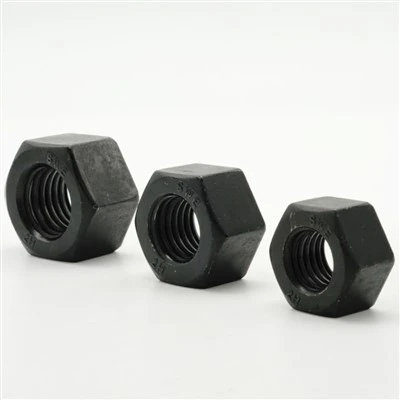
First off, let’s cut through the confusion. A standard insert nut (sometimes called a threaded insert nut, or even just an “insnut” if you’re in the thick of a job site convo) is a type of internally threaded fastener designed to install into a softer or less dense material – think particleboard, MDF, plastic, thin wood, even foam core for craft builds – to create a permanent, strong threaded point where a regular bolt or screw can grip. Wait, hold up – before you mix this up with a regular nut: a regular nut is made to clamp onto a bolt that’s already in or through a hard, solid material (steel, aluminum, thick wood). An insert nut? It’s the anchor itself. It doesn’t just sit on the surface – it goes into the other material, turning something that would strip if you tried to screw a bolt straight into it, into a solid, reliable connection point.
Now, what makes it “standard”? That’s where a lot of new folks trip up. “Standard” here doesn’t just mean “off-the-shelf” or “generic” – though that’s part of it. It refers to the established, widely accepted dimensions, thread pitches, and installation specs that almost every industry uses, so you don’t have to hunt for a custom part for every random build. Like, if you need a 10-32 insert nut? That’s a standard thread size – 10 is the major diameter, 32 is the threads per inch (for those of you on metric, M5 is the standard equivalent, with a 0.8mm pitch). Standard insert nuts also have standard outside diameters and installation depths, so you can drill a single, consistent pilot hole for them, no guesswork. No measuring a weird custom hole every time – that’s the magic of “standard” here.
Let’s get into the different types, because not all standard insert nuts are created equal, and picking the wrong one is how you end up with a shelf that wiggles, or a cabinet door that falls off mid-assembly. First up: the most common one you’ll see in furniture, cabinetry, and home goods – the press-in insert nut (sometimes called a smooth-body insert). This is just a metal cylinder (usually steel, sometimes zinc-plated for rust resistance) with internal threads, and a slightly flared top lip. You drill a pilot hole the exact size of the insert’s outside diameter, tap it in with a rubber mallet or a press, and boom – it’s seated. No tools fancy enough to make a carpenter’s toolbelt look weak, no adhesive needed (though some folks use a tiny bit if they’re working with super soft plastic). The flared lip keeps it from pushing all the way through the back of the material, which is clutch if you’re building a bookshelf and don’t want a sharp metal end sticking out to poke someone.
Then there’s the threaded insert nut with external teeth – often called a knurled insert, because the outside of the cylinder has little diamond-shaped ridges (knurls) all over it. These are way better for harder soft materials, like plywood or solid wood, because the knurls dig into the material when you install it, creating way more grip than a smooth press-in. You still drill the pilot hole, but you don’t tap it as hard – the knurls do the work of holding it in place, so it won’t spin when you thread a bolt in or out. I’ve seen these used for everything from bed frames that hold 500lbs to outdoor storage sheds that get rained on for months – they just don’t back out. That’s the standard knurled insert, and it’s the workhorse of our inventory, no question.
Wait, and let’s not forget the heat-set insert nut – that’s the one for plastics, especially engineering plastics used in electronics, appliances, and outdoor gear. This is a standard insert too, but it’s designed to be installed with heat: you stick it into a pre-drilled hole in plastic, use a soldering iron or a heat press to warm it up, and the insert’s body melts a tiny bit of plastic around its threads, creating a permanent, super strong bond. No way that’s coming loose, which is why every brand making phone cases, laptop housings, or power tools uses these. We sell tons of these to small electronics startups, and I love that – getting a custom part made for a prototype would cost them a fortune, but a standard heat-set insert fits right in, and works perfectly.
Now, let’s talk about what makes a good standard insert nut, because not all “standard” is equal. You can go to the big box hardware store and grab a $2 bag of insert nuts, and 9 times out of 10, those are thin, cheap steel that’ll snap if you over-torque a bolt. Or they have sloppy internal threads that strip the first time you screw a 2-inch bolt into them. The standard insert nuts we supply? We stick to strict specs: all our press-in and knurled inserts are made from cold-rolled steel, zinc-plated for corrosion resistance, with precision-cut internal threads that meet ANSI or ISO standards (depending on if you’re in inch or metric sizes) so they fit any standard bolt without cross-threading. The heat-set inserts are made from tin-bronze alloy, which melts at the exact right temp for plastics, and won’t break when you thread a bolt 100 times – we’ve tested these ourselves, actually. I once stuck one in a plastic test panel and threaded a bolt in and out 200 times, no stripped threads. That’s the standard we live by.
Another thing people don’t always get: installation tips, because even the best insert nut is useless if you install it wrong. For press-in inserts: drill a hole that’s 0.002 inches smaller than the insert’s outside diameter. If you drill it too big, it’ll spin. If you drill it too small, you’ll crack the material (especially with MDF, which is brittle). For knurled inserts: same rule, but since the knurls dig in, you can get away with a hole that’s 0.001 inches smaller, but don’t force it – use a mallet, not a sledgehammer, or you’ll bend the insert. For heat-set? You don’t overheat it – that melts the plastic too much, and it’s loose. We always include a little tip sheet with every bulk order, and that’s one of the reasons customers come back. They don’t have to guess.
Wait, let’s bust a myth real quick: some people call these “rivet nuts” – no, that’s a different thing. Rivet nuts (or blind rivet nuts) are installed from one side of a material, and they expand to grip the back, for when you can’t get to the other side. Standard insert nuts? They’re designed to be installed from one side too, but they don’t expand – they press or twist into the material, and the grip is from the insert’s body and threads, not expansion. Super important difference, because if you order a rivet nut when you need an insert nut, you’re gonna have a bad time.
Now, who uses these? It’s not just furniture builders, honestly. We sell to small cabinet makers, craft supply brands, outdoor gear manufacturers, even people building custom kayaks, or repairing old patio furniture. Last month, a guy ordered 500 knurled insert nuts to fix his 1970s surfboard rack – the original inserts had stripped, and he couldn’t find a standard size that worked anywhere else. We had it in stock, shipped it in two days, and he left a 5-star review saying his rack’s as good as new. That’s the stuff that makes this job worth it, y’know?
Another point: quality control. Like I said, we ship thousands of these a week, and every batch gets checked. We pull 5% of each order, test the threads with a standard bolt, check the dimensions with calipers, make sure there’s no rust on the zinc plating. The last thing we want is a customer calling us at 2AM because their whole furniture order is messed up because of a bad batch of inserts. Standard isn’t just about the size – it’s about consistency, every single time.
So, to wrap this up, what’s a standard insert nut, really? It’s a precision fastener, built to widely accepted, repeatable specs, designed to turn soft or dense, hard-to-grab materials into reliable, threaded connection points. It’s the unsung hero that keeps your bed from collapsing, your kitchen cabinets from sagging, your phone from falling apart when you drop it. It’s not flashy, it doesn’t have a fancy logo, but if you’re building anything that needs to come together with bolts, you’re gonna need one.

If you’re working on a project – big or small – and need standard insert nuts, whether you’re a furniture builder ordering bulk, a hobbyist fixing a shelf, or a startup prototyping a new product, we’ve got every size, type, and grade you need. Hit us up to chat through your project, ask questions, or even grab a sample. No pressure, just real answers from someone who’s been doing this for years.
Hex Nuts References:
- Industrial Fasteners Institute. (2021). Standard Threaded Insert Nuts: Design and Application Guidelines.
- American National Standards Institute (ANSI). (2019). Specification for Inch Series Threaded Insert Fasteners.
- ISO 10243:2017. Fasteners – Threaded Inserts for Plastics – Dimensions and Properties.
Shanghai Welfast Enterprise Co., Ltd.
As one of the most experienced standard nuts manufacturers and suppliers in China, our products have good reputation in the market. Please rest assured to buy bulk premium standard nuts for sale here from our factory. Good service and quality products are available.
Address: 6C, No.201, Ningxia Road, Putuo District, Shanghai, China.
E-mail: sales@welfast.com
WebSite: https://www.welfast.com/
