Hey there, valve professionals, plant managers, and everyone who’s ever spent three hours troubleshooting a leak that could’ve been avoided with the right component – let’s cut to the chase. I’m [Your Title, e.g., Senior Sales & Technical Specialist] at a forged valves supplier, and I’ve fielded this question a hundred times over the last 12 years: “What’s the actual difference between forged valves and forged carbon steel valves?” Forged Valves
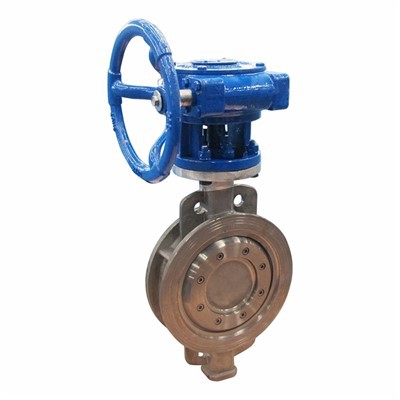
At first glance, it sounds like a trick question. If both have “forged” in the name, shouldn’t they be the same? For a long time, I thought so too – until I watched a refinery client shut down a critical pipeline last year because they grabbed a forged valve that turned out to be low-grade carbon steel, and it cracked under 1,200 psi of pressure. That mistake cost them $200,000 in downtime, plus a weekend’s worth of overtime to fix it. When they called me panicking, I realized the problem wasn’t just a mix-up in names – it was that a lot of suppliers (even some reputable ones) use those two terms interchangeably, and that’s dangerous for anyone working with fluid systems that carry chemicals, steam, or high-pressure gas.
Today, I’m breaking down the real, science-backed differences between these two valve types, not the marketing fluff you’ll read on generic industrial sites. I’ll also explain why as someone who’s sold forged valves to energy, water treatment, and chemical processing facilities across North America, I’ll never mix these up – and why you shouldn’t either.
First, let’s get one critical definition out of the way, because “forged” isn’t just a buzzword here. Forging, in valve manufacturing, is a metalworking process where a solid billet of metal is heated to a precise temperature (usually between 900°C and 1,200°C, depending on the alloy) and shaped using extreme pressure from a hammer, press, or die. Unlike casting, where molten metal is poured into a mold and left to cool, forging compresses the metal’s grain structure. That’s non-negotiable – it’s why forged components are 20-50% stronger than cast ones, with better impact resistance and durability under cyclic pressure.
Now, the term “forged valve” as a standalone product – this is the general category that includes a wide range of metal alloys, not just one specific composition. When we (as a forged valves supplier) talk about a “forged valve,” we’re referring to any valve made via the forging process, regardless of its base metal. That means forged valves can be made from stainless steel, alloy steel, titanium, nickel-based alloys (like Inconel or Hastelloy), yes – and carbon steel, too. So “forged valve” is a process-based descriptor, not a material-based one.
That’s where “forged carbon steel valve” comes in. This is a subset of the forged valve category, with two key identifiers: it’s made via the forging process, and its base material is carbon steel – an alloy of iron and carbon, with carbon content ranging from 0.05% to 2.1% (beyond that, it’s classified as cast iron or steel alloy). Carbon steel is valued for its strength, affordability, and ease of machining, but it’s not a single material – it comes in three main grades, each with its own properties: low carbon, medium carbon, and high carbon.
So at this point, you might be thinking, “Wait, so all forged carbon steel valves are forged valves, but not all forged valves are carbon steel?” That’s exactly the core difference. But let’s dig deeper – because it’s not just a label. The material choice changes everything for performance, use cases, and cost, and that’s where I’ve seen the most confusion among buyers.
Let’s start with metallurgy, because that’s where the real science lives. When you forge a valve, the grain structure of the metal is aligned and compressed into a tight, uniform pattern. Cast metal, by contrast, has a grain structure that’s porous, uneven, and prone to gaps or inclusions. But that forged grain structure interacts very differently with different base metals. For carbon steel, forging refines its grain, reduces brittleness, and eliminates defects that would make a cast carbon steel valve fail under pressure. For stainless steel forged valves, on the other hand, forging tightens corrosion resistance by creating a more consistent distribution of chromium (the element that makes stainless steel “stainless”) across the metal. For high-nickel alloys, forging improves their resistance to thermal stress, which is critical for high-temperature applications.
Here’s a concrete example I use with clients: a forged carbon steel gate valve for a water line operates perfectly at 300 psi and 150°C, but if you tried to use that same valve in a 500°C steam line, the carbon steel would start to soften, and the valve would warp. A forged alloy steel valve (another type of forged valve, not carbon steel) would hold up there, because it has added elements like chromium, molybdenum, or vanadium that increase high-temperature strength. A forged stainless steel valve, meanwhile, would fail in a highly acidic chemical line, because carbon steel has no corrosion resistance.
Next, let’s talk about common use cases – this is where the rubber meets the road, literally. When would you choose a forged valve (any alloy) and when would you narrow it down to a forged carbon steel valve?
Forged valves, in general, are used in high-stakes applications where durability is non-negotiable. That includes critical parts of oil and gas pipelines, nuclear power plant components, aerospace fluid systems, and chemical processing equipment that handles corrosive or extreme-temperature fluids. Because forged valves are made from custom alloys, they can be tailored to specific demands: for example, a forged titanium valve for a saltwater desalination plant, or a forged nickel alloy valve for a hydrofluoric acid line. The key here is that the application has unique material requirements that carbon steel can’t meet.
Forged carbon steel valves, by contrast, are the workhorses of industrial and commercial systems where cost and reliability are top priorities, without need for specialized corrosion or heat resistance. These are the valves you’ll find in municipal water distribution systems, low-pressure steam lines in hospitals or office buildings, HVAC systems, and general industrial pipelines that carry non-corrosive fluids at moderate temperatures (below 400°C, typically) and pressures up to 2,500 psi. As a forged valves supplier, I tell clients that forged carbon steel valves are the best value for 70% of common industrial applications – they’re cheaper than forged stainless or alloy valves, easier to machine, and still way more durable than cast carbon steel valves for those use cases.
Now, let’s bust a common myth here: many buyers assume “forged” automatically means “higher quality,” so they pick a forged valve without checking the material – or they see “forged carbon steel valve” and assume it’s a lower-tier product. That’s not true, and that’s a mistake I’ve seen too often. A poor-quality forged carbon steel valve that uses low-grade carbon steel with excess impurities (like sulfur or phosphorus) is way more likely to crack than a high-quality cast stainless steel valve. Conversely, a top-tier forged carbon steel valve is often the best choice for many jobs, because it balances strength, cost, and ease of maintenance. As someone who’s worked with these products for over a decade, I tell clients to evaluate three factors when choosing: pressure and temperature of your system, the fluid you’re moving, and budget. If your system is low-pressure, neutral fluid, and budget is a concern, forged carbon steel is perfect. If you’re working with corrosive chemicals, extreme heat, or specialized environments, you need a different forged valve alloy – not carbon steel.
Another key difference is maintenance and lifespan. Forged carbon steel valves, like all carbon steel products, are vulnerable to corrosion if not coated or lined properly. That means they need regular inspections for rust, especially if they’re in outdoor or humid environments. Forged stainless steel valves, by contrast, require far less maintenance, because their chromium content creates a protective oxide layer that resists rust. That’s not to say forged carbon steel is bad – it just needs to be matched to a system where corrosion isn’t a constant risk. I had a client last year who installed uncoated forged carbon steel valves in a coastal wastewater treatment plant; within 18 months, the salt air had corroded the valve bodies, leading to leaks. We replaced them with forged alloy steel valves, and that system has been leak-free for three years now.
Cost is another big one, and it’s tied directly to material. Forged carbon steel valves are typically 20-40% cheaper than other forged valves made from stainless steel or high-alloy metals. That’s a huge difference for projects that require dozens or hundreds of valves – a refinery that needs 50 gate valves can save tens of thousands of dollars by choosing forged carbon steel, as long as their application can handle it. But that cost tradeoff only works if the valve is appropriate for the job; trying to use a cheap forged carbon steel valve in a high-pressure oil pipeline will end up costing far more in downtime and repairs.
Let’s also talk about manufacturing details, since that’s part of what makes these products perform differently. Forged carbon steel valves are usually made using hot forging, where a single billet of carbon steel is shaped into the valve body and bonnet. That means fewer seams and welds than cast valves, which reduces weak points. Other forged valves, like stainless steel ones, might use cold forging for precision parts, but the core process still creates a uniform grain structure. The key difference in manufacturing is the material composition: carbon steel’s lower alloy content means it’s easier to forge, leading to lower production costs, while higher-alloy forged valves require more precise temperature control during forging to avoid material degradation.
Now, let’s circle back to that opening mistake I mentioned earlier. The refinery client who shut down their pipeline? They’d ordered “forged valves” from a supplier who used the term to mean “forged carbon steel” – but the valve they received was actually a low-grade cast carbon steel valve, mislabeled. That’s why clarity in terminology is so important. As a forged valves supplier, we never use “forged valve” as a blanket term for carbon steel. We always specify the material: “forged carbon steel valve,” “forged 316 stainless steel valve,” “forged alloy steel valve,” etc. That’s not just marketing – it’s responsible, because it gives our clients the information they need to make the right choice for their systems.
So to wrap up the key differences, let’s break them down into clear points to remember:
- Core Definition: A forged valve is any valve made via the forging process, regardless of material. A forged carbon steel valve is a subset of forged valves, made with carbon steel as the base material.
- Metallurgy: Forged valves can use stainless, alloy, or specialty metals; forged carbon steel valves use only iron and carbon (plus small trace elements), with a grain structure refined by forging.
- Use Cases: Forged valves are used for specialized, extreme-condition applications; forged carbon steel valves are ideal for general, moderate-pressure, non-corrosive applications.
- Cost & Maintenance: Forged carbon steel valves are more affordable but require corrosion protection; other forged valves are more durable for specialized use but come at a higher price.
At the end of the day, choosing the right valve comes down to matching your material to your system’s needs. If you’re not sure whether you need a forged valve (any material) or a forged carbon steel valve, I always recommend talking to someone who knows the industry – not just a sales rep who uses buzzwords. I’ve spent years working with clients to assess their pressure, temperature, fluid type, and budget, and helping them pick the right valve that won’t fail when they need it most.

If you’re working on a project, troubleshooting a leak, or just need to clarify which valve is right for your system, don’t hesitate to reach out. As a forged valves supplier, we don’t just sell valves – we help our clients make informed decisions that save them money and prevent costly downtime. We’re here to answer questions, provide technical specifications, and help you pick the right valve for your specific application. So reach out to connect for a procurement discussion – let’s make sure your next valve is the right one.
Check Valve References
- ASME B16.34: Valves – Flanged, Threaded, and Welding End, American Society of Mechanical Engineers, 2021.
- Forging vs. Casting: Material and Performance Differences, Forging Industry Association, 2022.
- Carbon Steel Grades and Applications, American Iron and Steel Institute, 2020.
- Valve Selection Guide for Industrial Fluid Systems, International Society of Automation, 2023.
Xiongxiang Valve Group Co., Ltd.
As one of the most professional forged valves manufacturers and suppliers in China, we’re featured by quality products and good price. Please rest assured to wholesale cheap forged valves for sale here from our factory. Contact us for more details.
Address: Building 1, No.306, 12th Binhai Road, Jinkai District, Wenzhou City, Zhejiang Province, China
E-mail: info@xiongxiangvalve.com.cn
WebSite: https://www.steelvalvegroup.com/
