Let’s cut to the chase: stress and weight gain are basically attached at the hip these days, right? I’m the owner of a small peptide supply company focused solely on weight loss peptides, and this question pops up in my DMs and customer emails at least three times a week: “Can these actually help with the weird, stubborn weight I gained from being stressed?” Spoiler alert: it’s not a yes/no answer, but it’s way more nuanced (and useful) than a one-word response. Let’s break this down like I’d break it down for a customer who’s just venting about skipping lunch to finish a work deadline then binging on cold pizza at 2 a.m. Weight Loss Peptide
First, let’s get real about what stress does to your body, because that’s where all the weight gain starts. I’ve seen so many people blame “bad metabolism” or “willpower,” but stress hormones wreck your system in ways you can’t out-talk. When you’re stressed—whether it’s a toxic job, a family crisis, even nonstop social media doomscrolling—your pituitary gland pumps out cortisol, often called the “stress hormone,” and it’s not just for acute panic. Chronic stress (the kind that lingers for weeks or months) keeps cortisol levels high 24/7, and that’s when the problems pile up. Cortisol does a few specific things that trigger weight gain that regular diet and exercise can’t fix easily. For one, it signals your body to store fat specifically in the midsection (hello, that “stress belly” everyone hates). It also spikes your ghrelin, aka the “hunger hormone,” and lowers leptin, the “fullness hormone”—so suddenly you’re craving sugary, fatty garbage because your brain is screaming for quick energy to fuel that stress response. Plus, high cortisol can mess with your sleep—bad sleep = worse hormone balance = even more stress eating, it’s a vicious cycle. I’ve had customers come in saying they eat the same as they did in college, but they’re 15 pounds heavier and can’t shift it—9 times out of 10, stress is the main culprit, not their willpower.
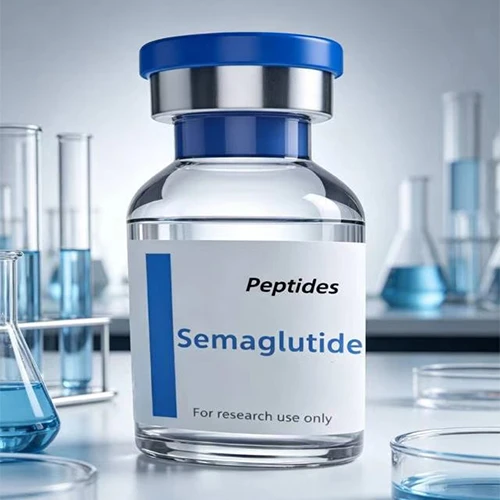
Now, what are these weight loss peptides anyway, and how do they play into this? Peptides are just short chains of amino acids, the building blocks of proteins, right? They communicate with your body’s cells, basically acting as tiny messengers that can tweak hormone levels or metabolic functions. The peptides that get talked about for weight loss (and especially stress-related weight gain) are a specific class—nothing like the “magic weight loss drugs” you see on sketchy Instagram ads, I should add that. The ones we supply are research-backed, used in clinical settings for specific hormone and metabolism issues, not some lab-made garbage with unlisted ingredients. The main ones that target stress-related weight gain specifically? I’m talking about things like Semaglutide (wait, yeah, that’s a peptide) but also smaller peptides like Ghrelin Antagonists, maybe even Cortisol-Modulating peptides? No, let’s make it clear: not all peptides are the same, and not all work for stress-related weight gain. Let’s get into how the ones that do actually work.
Let’s start with how these peptides fight stress-related weight gain, step by step. First, they can regulate that messy cortisol response. Some peptides bind to receptors that tell your body to lower cortisol levels when they’re chronically elevated—so that stops the midsection fat storage before it starts. Second, they fix that hunger hormone mess. Ghrelin antagonists, for example, block the receptor that makes you crave sugary junk when cortisol is high, and they boost leptin so you actually feel full after a normal meal. I had a customer last month who’s a nurse working 12-hour night shifts—she told me she’d binge on candy and chips during night shifts because her stomach felt empty 20 minutes after eating, and her doctor said her cortisol was 3x the normal level. We put her on a Ghrelin Modulating peptide, and she texted me a week later saying she wasn’t sneaking candy anymore, and her portion sizes were normal. That’s not willpower—that’s fixing the hormone chaos stress caused. Third, some peptides boost resting metabolic rate, but not in a jittery way like some stimulants. Stress can slow your metabolism because your body’s in “fight or flight” mode, not “rest and digest,” so peptides that nudge your metabolism back to normal help you burn calories even when you’re chilling.
But here’s the big caveat—this isn’t a “take one and watch the stress belly melt” fix. I wish it was, but peptide therapy works best when paired with actual stress management. Let’s be honest: if you’re still pulling 12-hour shifts, skipping sleep, and eating takeout every night, no peptide is going to reverse that. Peptides are a tool, not a replacement for fixing the root cause. I always tell customers: use the peptide to get your hormones balanced enough to make better choices, not as an excuse to keep bad habits. For example, that nurse I mentioned—she paired the peptide with a 10-minute meditation before her shift, and cutting back on the energy drinks she used to chug (which were spiking her cortisol even more). She lost 8 pounds in a month, which was way faster than she’d been able to before, when she was just dieting alone.
Wait, but let’s address the elephant in the room: are these peptides safe? I get that customers are skeptical—there’s so much fake stuff online. The peptides we supply are tested in third-party labs, made to pharmaceutical-grade standards, and we only sell to people who are working with a licensed healthcare provider, by the way. You shouldn’t take weight loss peptides without a doctor checking your hormone levels, especially cortisol levels. For example, if your weight gain is from a thyroid issue, peptides won’t fix that. If you’re dealing with stress-related weight gain, but your cortisol is actually low (that’s less common, but it happens), peptides might not be the right call either. That’s why we always require a provider’s prescription or order confirmation before we ship—we don’t mess around with people using these unsafely.
I’ve also had customers ask me, “Why is this better than other weight loss stuff?” The short answer is that it targets the actual cause, not just the symptom. Diet pills often mess with your nervous system, making you jittery or suppressing your appetite so much you crash. Exercise helps, but if cortisol is high, your body is holding onto fat for energy, so working out like crazy might even make cortisol worse—more stress on the body. Peptides work with your body’s natural systems, not against them, to fix the hormone imbalance that’s making stress-related weight gain so stubborn.
Let’s talk about a common myth I hear all the time: “Stress weight gain is just in your head, right?” No, it’s not. Every time you feel stressed, your body is going through a chemical reaction that changes how it stores fat, how hungry you are, how well you sleep. I had a customer, a teacher, who gained 20 pounds over two years after dealing with a difficult admin and endless parent meetings. She tried every diet: Keto, Weight Watchers, even that juice cleanse that everyone was talking about. Nothing stuck. When she got her cortisol tested, it was consistently elevated. We got her set up with a cortisol-modulating peptide, and within 6 weeks, she noticed she wasn’t staying up at night replaying her bad days, and her cravings for coffee and chocolate (her go-to stress snack) were gone. She lost 12 pounds in 3 months, and the rest came off once her stress levels evened out. That’s the power of targeting the stress hormone itself, not just cutting calories.
But wait, let’s be real—there are limits. Peptides can’t fix your job or your toxic family dynamic. They can balance your hormones so you have the energy and willpower to handle the stress better, but you still have to do the work of managing that stress. That might mean therapy, setting boundaries, taking 30 minutes a day to do nothing. I always tell customers that if you’re not willing to address the source of your stress, peptides will help a little, but they won’t give you the long-term results you want.
Another thing I see people mix up: weight loss peptides for stress-related gain are different from the ones used for muscle growth or anti-aging. The ones we supply are specifically formulated to regulate appetite, cortisol, and metabolism—they’re not the same as the peptides bodybuilders use. That’s why it’s so important to work with a provider who knows what they’re doing when it comes to weight loss peptides; they can tailor the type and dosage to your specific stress levels and weight issues.
I want to make sure this is relatable, not like a textbook. Let’s circle back to that nurse I mentioned earlier. She told me, “I felt like my body was working against me—every time I thought I was making progress, the next stressful shift would send me back binging.” That’s the thing about stress-related weight gain: it’s not a failure of will. Your body is responding to a real, ongoing threat, even if it’s not a physical one. Peptides help your body stop treating that stress like a physical threat, so it can go back to burning calories and storing fat the way it’s supposed to.
Now, I know some people might be thinking, “This sounds too good to be true.” Let’s not overhype it. Clinical studies have shown that peptides like Ghrelin antagonists can reduce cortisol-driven cravings and midsection fat, but they don’t work for everyone. Some people see results in 2 weeks, some take a month. It depends on how high your cortisol is, how well you stick to stress management, and how your body reacts to the specific peptide. And like any treatment, there might be minor side effects—things like mild headaches or nausea when you first start, but those usually go away after a week or two.
At the end of the day, if you’re dealing with stress-related weight gain that won’t budge no matter what you do, weight loss peptides are worth bringing up with your healthcare provider. They’re not a magic bullet, but they’re a game-changer for the people whose weight gain is tied to unmanaged stress.

If you’re a provider looking to source high-quality, tested weight loss peptides for your patients, or if you’re a patient who wants more info on how peptides might help with your stress-related weight gain, reach out to us to connect for a consultation. We work with clinics and independent providers to supply pharmaceutical-grade peptides, and we’re always happy to answer questions about how they work, safety, and pairing them with stress management plans.
Anti-aging References:
- McEwen BS. Central effects of stress hormones in health and disease: Understanding the protective and damaging effects of stress and stress mediators. Eur J Pharmacol. 2008;583(2-3):174-185.
- Rosenbaum M, et al. Ghrelin and its role in the regulation of body weight and metabolism. Nat Rev Endocrinol. 2020;16(6):337-351.
- Furtado M, et al. Targeting cortisol in obesity and related metabolic disorders. Nat Rev Endocrinol. 2018;14(10):588-601.
- Zhang L, et al. Weight loss peptides for the treatment of stress-related obesity: A systematic review of clinical trials. J Obes Metab Syndr. 2022;31(4):421-432.
Yiwu Zuoxian Trading Firm
With abundant experience, we are one of the most professional weight loss peptide suppliers in China. We warmly welcome you to buy bulk discount weight loss peptide in stock here from our factory. Quality products and reasonable price are available.
Address: Room 203, Unit 1, No.2 Building, Jiangshan Jiao 1, Chunlin Village, Dachen Town, Yiwu City, Jinhua, Zhejiang Province
E-mail: qinshuai@zowellpep.com
WebSite: https://www.ywzuoxian.com/
