Hey folks, if you’ve ever spent 10 minutes fumbling with a dashboard or door panel that popped off mid-road trip, you know the tiny, unsung hero holding it all together: auto plastic clips. As a supplier of these little workhorses, I get asked way more than you’d think about how we package ’em—because if those clips don’t survive shipping, they’re useless to the techs or dealers who need ’em. Let me walk you through what actually goes into packaging auto plastic clips, from our floor to yours, no stuffy industry jargon allowed. Auto Plastic Clips

First off, let’s cut to why packaging for these things isn’t just “throw ’em in a box.” Auto plastic clips aren’t one-size-fits-all—we’re talking hundreds of SKUs here, from tiny interior dashboard clips to bigger undercarriage fasteners that hold trim or heat shields in place. Mix up a 10mm door panel clip with a 15mm fender liner clip, and that’s a quick call back or a frustrated installer. Our packaging has to be practical for both our warehouse team and the people buying ’em, whether that’s a small independent auto shop or a big dealership with 50 techs running through clips daily.
Let’s start with the most common, workhorse packaging we use for most orders: blister packs and bulk bins. Wait, no—wait, I should clarify, there’s two big categories of how we ship these, depending on who’s buying and how many they need. If you’re a tech fixing a single car at a time, or a small shop that stocks a little of everything, we do small, labeled blister packs. They’re not the cheap plastic you can peel off with your nails (been there, hated that). We use a sturdier, clear PVC blend that’s thick enough not to crack if it gets banged around a little. Each blister has a paper backing that’s printed with way more than just “auto clip”—we put the SKU number, the exact part it fits (like 2018-2022 Honda Civic door panel, or Ford F-150 fender liner), dimensions, and even a little diagram of what the clip looks like. No more guessing if the little gray clip in a bag is the right one for your project. We also print the number of clips in each blister right on the front—usually 5 to 10, which is perfect for a single repair. Techs love these because they hang them on parts carts, they don’t get lost in the bottom of a tool box, and you can see exactly how many you have without opening it.
Then there’s bulk packaging, which is for the big guys—dealerships, parts distributors, or shops that go through hundreds of clips a month. For that, we don’t use flimsy cardboard boxes that get crushed in a truck. We use corrugated boxes with double-wall reinforcement for heavy orders (think 500+ clips of the same SKU). Inside the boxes, we line ’em with anti-static bubble wrap or foam inserts? Wait, no—wait, actually, for most bulk auto clips, static isn’t a huge issue, but the clips can scratch each other if they’re loose and sliding around. So we use dividers made of a lightweight, rigid cardboard we source locally that keeps different SKUs separate, no mixing. For super small clips (the 5mm ones that hold interior trim pieces), we even put them in small plastic zip-top bags first before putting them in the box—so if a zip breaks in transit, you don’t end up with 100 tiny clips rolling around a shipping truck at 60 mph. We also mark every bulk box super clearly with the SKU, part fit, quantity, and a barcode that our customers can scan into their inventory system. No more counting 500 clips by hand when you unload a pallet.
Now, here’s a thing most people don’t talk about: environmental stuff, which is huge right now, especially with auto manufacturers pushing for more sustainable parts. We’ve been phasing out a lot of our old packaging over the last two years because dealers and distributors started asking for less waste. So now, we have eco-friendly bulk packaging options too—corrugated boxes made from 100% recycled cardboard, no plastic dividers, just cardboard inserts, and even some blister packs made from biodegradable PVC that breaks down faster if it ends up in a landfill. We also stopped using foam peanuts for packing inserts—now we use recycled paper loose fill, which is cheaper for us and easier for our customers to recycle. I’ll be honest, it took us a minute to work that out, because paper peanuts can be messy when you open a box, but the feedback from our customers has been solid. They’d rather deal with a little paper mess than toss a bunch of plastic that ends up in a dump.
Wait, also—what about edge cases? Like, clips that go on the outside of a car, under the hood, or in places where they get exposed to oil, road salt, or extreme heat? Those need different packaging too. I’m talking about the bigger, tougher clips—like the ones that hold the radiator support or the undercarriage shield. Those are often made of nylon or reinforced plastic, right? So for those, we use thicker, heavy-duty poly bags inside the boxes, not just cardboard dividers. Why? Because oil can leak if a package was already opened somewhere along the supply chain, and if a plastic bag gets a hole, it won’t get oil all over the other clips. We also label those bags clearly with “OIL RESISTANT” or “UNDERCARRIAGE” so our customers don’t mix them up with interior clips that might stain if they get oil on them. We even had a distributor a year ago who accidentally ordered 500 undercarriage clips and put them in with interior trim clips, and had to throw half them away because of oil stains. Now we’ve got color-coded labels to avoid that—red labels for underhood/undercarriage, blue for interior, green for trim, so a quick glance and you know what’s inside.
Another thing we think about a lot: shipping conditions. We’re based in the Southeast, so our shipments go to places that get super hot in the summer, and places that get freezing in the Northeast in the winter. Auto plastic clips don’t melt in heat, but the packaging can. We learned that the hard way three years ago—we sent a batch of blister packs to Texas in July, and the clear plastic started warping in 100-degree temps, making it hard to see the clips inside. So now, for any order going to a region with extreme temps, we add an extra layer of insulation foam around the blister packs or the top of the bulk boxes. Nothing fancy, just a lightweight foam that keeps the temp steady during transit, no extra cost passed onto our customers. We also avoid shipping during major storms or extreme cold snaps whenever possible, but sometimes that’s out of our hands—so the insulation fix has been a game changer.
Wait, should I mention how we test packaging? Yeah, that’s something I don’t think a lot of suppliers talk about. We don’t just pick a blister pack because it looks good. We test every packaging design by dropping a box from 4 feet (which is about the height a shipping handler would drop it), shaking it around on a vibration table that mimics a truck driving over bumpy roads, and leaving blister packs in an oven at 120 degrees for 72 hours to make sure they don’t warp. If a design passes all that, we use it. If not, we tweak it. Last year, we had a new bulk box design that kept collapsing on pallets, so we added a few extra reinforcement strips to the corners, and now they stack 10 high without a problem.
Let me also touch on why this matters to you, the buyer. If you’re a tech, you’ve opened a package of clips that all have bent tabs or cracked plastic, right? That’s frustrating—you’re in the middle of a repair, and you have to run to the auto parts store because half your clips are ruined. All that extra work, and maybe even a disappointed customer waiting on their car. Good packaging cuts down on that. When we send out our clips, 99.8% of the time, they arrive exactly as we sent them. We track every order’s packaging returns, and that number’s been that high for two years now. That’s not luck—that’s us testing and tweaking every part of how we package these little guys.
Oh, and one little hack we have for our regular customers: custom packaging inserts. If a big dealer goes through the same 20 SKUs every month, we can pack their bulk boxes with only those SKUs, no extra dividers, and add their logo to the outside of the box. They love that because they don’t have to sort through a bunch of different clips when they unload a pallet. It’s small, but it saves them time, and time is money in the auto business.
At the end of the day, auto plastic clips are small, but their packaging is way more important than people realize. It’s not just about putting them in a box—it’s about making sure they get to the person who needs them, in one piece, with all the right info so they don’t waste time guessing or dealing with broken parts.
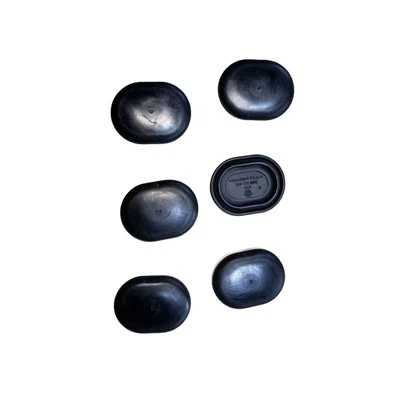
If you’re an auto shop, dealer, or parts distributor looking for reliable auto plastic clips with packaging that works for your team, hit us up to chat about your needs. We can go over bulk pricing, custom packaging options, whatever you need to keep your techs (and your customers) happy.
Fuel Filler Cap References
- Automotive Aftermarket Suppliers Association. (2023). Best Practices for Packaging Small Auto Components.
- International Packaging Association. (2022). Shipping Guidelines for Plastic Parts in Temperature-Variable Climates.
- Society of Automotive Engineers. (2021. Report on Durability of Packaging for Automotive Fasteners and Clips.
Ningbo Xiaohua Plastic Industry Co., Ltd.
We are one of the most experienced auto plastic clips manufacturers and suppliers in China, specialized in providing high quality customized service to global clients. We warmly welcome you to wholesale durable auto plastic clips in stock here from our factory.
Address: No. 878, Gulin Section, Yinxian Avenue, Haishu District, Ningbo City, Zhejiang Province
E-mail: 13736009355@163.com
WebSite: https://www.cnxiaohua.com/
