If you’ve ever driven through a small, remote town in the rural US, or even a tight neighborhood on the edge of a mid-sized city, and seen a beat-up white van or truck parked on a side street with a sound system cranking a mix of old hymns and modern Christian music, you’ve probably spotted a Gospel Truck in action. But if you’ve ever wondered how that whole operation actually runs—who makes sure the gas tank’s full, the speaker wires aren’t frayed, and the volunteers showing up every weekend have a clear plan of what to do—there’s a behind-the-scenes role no one talks about enough: the Gospel Truck coordinator. And as someone who’s spent the last 8 years supplying these trucks to small churches, local ministries, and even independent groups who don’t have a big staff, I can tell you this job isn’t just about signing people up and checking boxes. It’s the glue that keeps a rolling ministry from being just another random truck driving around. Gospel Truck

First, let’s get one thing straight: a coordinator isn’t the driver who shows up on Saturday to blast music. They’re not the volunteer who hands out Bibles or cold water to people gathering around the truck. They’re the person who makes all those other jobs actually work, week in and week out. When a small church comes to me and says, “We need a Gospel Truck for our community outreach,” the first person I connect them with is their internal coordinator—because that’s the person who’ll turn a “cool idea” into something that sticks.
Let’s break down what that actually looks like. For starters, the coordinator’s first big job is matching the truck to the community. That sounds simple, but it’s not. If a ministry is targeting a low-income neighborhood where people rely on bus stops and laundromats for their weekend routines, a coordinator isn’t just going to park the truck on a random corner and call it a day. They’ll talk to local residents (sometimes just by hanging out at the laundromat for an hour on a Tuesday, no big fanfare) to find out where people actually gather. Maybe it’s the corner by the grocery store at 2pm on Saturdays, because that’s when everyone’s picking up their weekly food. Or maybe it’s a park that has a kids’ playground, because that’s where moms stay while their little ones play. A coordinator doesn’t guess this stuff—they ask. I’ve seen trucks fail before because the group didn’t do this, parked in a spot where no one ever goes, and gave up after two weekends. The coordinator prevents that.
Next, the coordinator is the person who keeps the truck functional. Wait, hold on—if I’m the supplier, shouldn’t that be my job? Fair point. But here’s the thing: most of the groups that use our trucks are small. They don’t have a full-time mechanic on staff, and their volunteers aren’t professional techs. So the coordinator becomes the point person for both my team and the volunteers. For example, if a truck’s speaker system cuts out mid-event, the first person the volunteer calls isn’t me—it’s the coordinator, who knows basic troubleshooting (like how to reset the Bluetooth or check the auxiliary cord) and, if it’s a bigger issue, coordinates with our maintenance team to get it fixed that week, not a month later. They also track small, easy-to-miss things: when the truck needs an oil change, when the sign-up sheets for volunteers are running low, when the water cooler in the back is empty. These tiny details add up to whether the ministry feels prepared or like it’s scrambling.
Then there’s the biggest part of the job that most people don’t see: building and leading the volunteer team. A Gospel Truck only works if there are people to engage with the crowd, not just play music. A coordinator isn’t just posting a sign-up sheet on a church bulletin board and saying “show up at 10am.” They’re vetting volunteers a little—making sure people actually show up when they say they will, and that they’re comfortable talking to strangers. Last year, we had a group in West Virginia that wanted to start a Gospel Truck ministry, and their first coordinator turned away a volunteer who’d never talked to anyone outside his small church, because he was nervous about scaring people off when he tried to start a conversation. Instead, that coordinator paired him with an older, more experienced volunteer, and by the end of the first month, that young guy was leading prayer circles at the truck every week. That’s the kind of thing a coordinator does—they don’t just fill spots, they grow people for the work. They also handle the messy volunteer stuff: if someone cancels last minute, they call another person on the list, no drama. If a volunteer has a question about what to say to someone going through a hard time, the coordinator is the go-to, not the pastor. Most coordinators I know aren’t even pastors themselves—they’re just people who love their community and know how to organize others to love it too.
Wait, but what about the actual mission of the Gospel Truck? It’s not just a social club, right? A lot of people think these trucks are just for playing music, but they’re meant to spread the Gospel and support people. The coordinator is the person who keeps that mission front and center, without being pushy. I’ve seen coordinators plan events where they bring free backpacks for kids at the start of the school year, or free blankets in the winter, and weave Gospel messages into those interactions naturally—like a volunteer saying, “We have these blankets because we want to take care of you, and that’s what God calls us to do,” not shoving a tract in someone’s face. A coordinator also knows when to step back if someone doesn’t want to talk about faith. Last year, we had a group in a Chicago neighborhood where a guy came up to the truck angry, said he didn’t believe in God, and was about to leave. The coordinator, who was standing by, didn’t argue. They just handed him a free water bottle and said, “No pressure, man, we’re just here to be a good spot for people.” The guy came back every Saturday after that, just to chat, and three months later, he started coming to the small Bible study the group hosts at the park. That’s the kind of impact a coordinator makes—they understand that the work isn’t about quick conversions, it’s about building trust first.
Now, let’s talk about the stuff that makes coordinators different from, say, a regular event planner. A regular event planner plans for a few hours on a single day. A Gospel Truck coordinator is in it for the long haul. They build relationships with the community over months, even years. They know the regulars—Mrs. Johnson who brings her grandkids every week, the guy who sleeps on the bench by the bus stop and always asks for a snack. A few months ago, one of our coordinators in Ohio noticed that a teen who’d started hanging around the truck every week stopped coming. She followed up, and found out his mom had lost her job and they’d moved into a shelter. She organized the volunteer team to bring groceries to the shelter every week, and the teen came back a month later, excited because he’d been able to help pass out the groceries to other people there. That’s not in any job description, right? But that’s what happens when a coordinator is actually invested in the community, not just checking off weekly tasks.
I will be honest, though—this job isn’t easy. Most coordinators don’t get paid a full-time salary. They’re usually volunteers themselves, or they get a small stipend from the church or ministry. They’re on call every weekend, sometimes on evenings during the week when they have to meet with the team. Last winter, one of our coordinators in Indiana had to show up at 5am on a Saturday to shovel the parking spot where the truck was supposed to park, because the snow was too deep. No one asked her to do that—she just did it, because she knew if the truck couldn’t get there, the regulars would be disappointed. It’s a labor of love, no question. But it’s also the most important role in the entire Gospel Truck ministry. I’ve supplied over 120 of these trucks in the last 8 years, and the ones that have the biggest impact aren’t the fanciest trucks or the ones with the best sound systems. They’re the ones that have a good coordinator behind them.
If you’re thinking about starting a Gospel Truck ministry, or if your church or group already has one that’s kind of fizzled out, don’t just call me to ask about trucks. Call me to talk about coordinators. Because a truck is just a tool. The coordinator is the one who turns that tool into something that actually changes people’s lives. And for anyone looking to get involved in this work, I’ll tell you this: you don’t need to be a seminary grad, or a great speaker, or have a lot of money. You just need to care enough to show up, to listen, and to put the people in your community first. That’s it.
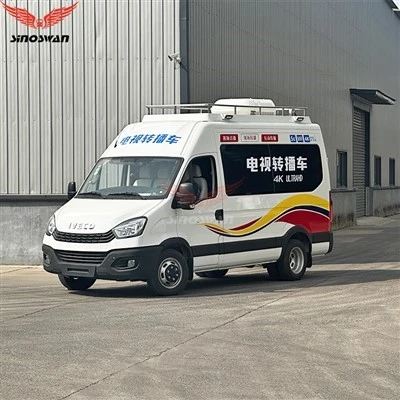
If you’re a ministry leader, a pastor, or someone who’s ready to launch a Gospel Truck and start making a real difference in your community, reach out to my team to learn more about our truck options and how we can help you connect with the right coordinator for your group. We’re here to partner with you every step of the way, from picking the right truck to helping you build a ministry that sticks.
President Election Trailer References:
- "The Gospel Truck Movement: Meeting Communities Where They Are," National Association of Evangelicals, 2022.
- Rural Outreach and Missional Ministry in Small Towns, InterVarsity Press, 2021.
- Volunteer-Led Community Ministry: A Practical Guide, Baker Books, 2020.
Zhengzhou Sinoswan Tech Co., Ltd.
Zhengzhou Sinoswan Tech Co., Ltd. is one of the most professional gospel truck manufacturers and suppliers in China. We are committed to providing high quality customized products for global clients. We warmly welcome you to wholesale durable gospel truck for sale here from our factory. Also, quotation is available.
Address: No.21 Shangdu Road, Zhengzhou, Henan Province, China
E-mail: info@sinoswan.com
WebSite: https://www.electiontruck.com/
