Hey folks, if you’ve ever dabbled in DIY car repairs or even worked in a small auto shop, you’ve probably stared at a rusty brake line and wondered how to get a solid, leak-free solder joint fast. And if you’re shopping around for torches, you might’ve caught yourself thinking: “Can I just grab a propane gas torch from the shelf and use it for soldering brake lines?” Short answer? Yeah, you can—but there’s a lot more to it than just lighting the torch and melting some solder. As someone who’s been selling propane torches for years, I’ve fielded this question a hundred times, and it’s way trickier than people make it sound. Let me break it down like I do for my customers, no fancy jargon, just real stuff that’s actually helpful. Propane Gas Torch
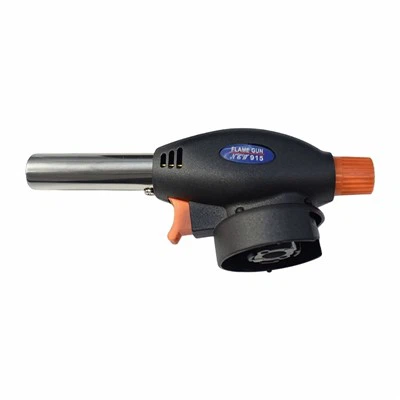
First off, let’s get the basics straight: soldering brake lines isn’t the same as soldering a wire for a lamp or even fixing a loose pipe joint under your sink. Brake lines carry pressurized hydraulic fluid, usually DOT 3 or DOT 4, and if your solder joint leaks, that’s not just an annoyance—it’s a safety hazard. No one wants to lose braking power halfway down a backroad, right? So the key here is getting the heat just right, and that’s where your torch comes in.
Propane torches are different from acetylene torches, which are way hotter. Acetylene cranks out around 3,500°F, which is overkill for most soldering jobs and can actually burn through thin brake line metal if you’re not careful. Propane? It runs about 2,000°F, which is perfect for soldering—wait, no, let me correct that: it’s manageable for soldering, but only if you’ve got the right kind of torch. Not all propane torches are built the same. I’ve seen a guy grab a tiny, cheap $10 torch from a hardware store, try to solder a brake line, and end up with a lumpy joint that leaked a week later. That’s not the torch’s fault—that’s using the wrong tool for the job.
What you actually need is a propane torch with a adjustable flame, not a fixed one. A fixed flame is great for heating up a grill or melting a little solder for a jewelry project, but for brake lines, you need to dial the flame down to a soft, blue cone—no yellow tips, that’s unburned propane wasting heat. The blue core is where the real heat is, and it’s concentrated enough to heat just the joint without scorching the surrounding metal or any nearby hoses. Also, get a torch with a brass tip, not a cheap aluminum one. Brass holds heat better, lasts longer, and won’t warp or melt when you’re holding it right next to a fragile brake line.
Now, the soldering part. You can’t just use regular leaded solder here—wait, hold up, leaded solder? A lot of old mechanics used back in the day, but if you’re doing this on a modern car, leaded solder is a hard no. It’s toxic, and brake lines for most passenger vehicles now use lead-free solder, usually a tin-antimony mix that meets DOT standards. Leaded solder also corrodes faster, so your joint might hold for a month before it springs a leak. Stick to the good stuff—ask your hardware store for lead-free plumbing solder made specifically for pressure lines.
But even with the right torch and solder, there are a few steps you can’t skip that will make or break the joint. First, clean the hell out of the brake line. Rust, brake fluid residue, oil, any grime—all of that will keep the solder from sticking. I always tell customers to take a wire brush (stainless steel, not regular, it’s softer and won’t scratch the line too bad) and scrub the outside of the line where you’re soldering, then wipe it down with isopropyl alcohol to get any leftover gunk off. If you skip cleaning, the solder will ball up instead of flowing into the joint, and you’ll have a weak spot that leaks.
Next, you need to fit the lines properly. Most brake lines are copper or steel, and when you’re soldering two ends together, you have to make sure they’re aligned tight, no gaps. If there’s a space between the two tubes, solder can’t fill it, so pressure will push right through that gap. I use a small pipe cutter to get clean cuts, then a reamer to smooth out the inside edges so there’s no burr that could block fluid flow. Then slide one line into the other about half an inch—too little, and the joint will be weak; too much, and you might restrict flow. Clamp it in a vise or with a spring clamp so it doesn’t move while you work.
Now, the heating part—this is where people mess up the most. You don’t want to blast the flame straight at the joint. Instead, hold the torch at a 45-degree angle, a few inches back, and heat the line evenly all around. If you heat just one spot, the metal will expand unevenly, and the joint might crack. You want to get the line hot enough that when you touch the solder to it, the solder melts and flows like water, not beads up like little balls. If the solder beads up, that means the line isn’t hot enough, so you need to keep heating. Once it flows smoothly around the joint, you can pull the solder away and let it cool. Don’t move the joint while it’s hot—let it sit for a minute, and if you want, you can wipe off the excess solder with a clean rag, but only when it’s cool enough not to burn the rag.
Wait, but hold on—what if you’re working on a steel brake line, not copper? Propane works for both, but steel is thicker, so you might need a little more heat. That’s where a torch with a higher BTU rating comes in. A tiny 10,000 BTU torch is fine for small copper lines, but for steel lines, go for 20,000 to 30,000 BTU. More BTU means you can heat the metal faster and more evenly, so you don’t spend forever holding the torch there and risking burning nearby parts. And for the record, I stock a ton of these torches—they’re perfect for auto work, plumbing, even soldering copper pipes for small projects.
Now, let’s talk about the dangers. Brake lines are near fuel tanks, exhaust systems, all sorts of flammable stuff. Never work on a car that’s still running, and always disconnect the battery so you don’t get a spark if something goes wrong. Don’t hold a flame near rubber hoses or plastic parts—wrap them in a wet rag if you have to, that will keep them from melting. And always work in a well-ventilated area—propane fumes are flammable, and soldering fumes aren’t great to breathe either. If you’re in a garage, open a door or window, maybe use a small fan to move air around.
I’ve had customers come to me asking if they should just use a torch soldered joint instead of a flare joint when they’re fixing a brake line. A lot of mechanics swear by flare fittings, and for good reason—they’re super reliable. But a well-done soldered joint from a good propane torch is almost as good, as long as you do it right. I had one customer last year who tried using a cheap torch he bought at a discount store, and his joint leaked within a week. He came back, got one of my adjustable propane torches, redid the joint, and hasn’t had a problem since. That’s the thing: the wrong torch ruins the job, the right torch makes it easy.
So to circle back to the original question: Can a propane gas torch be used for soldering brake lines? Yeah, absolutely—if you pick the right torch, prep the line properly, use the right solder, and follow the steps. It’s not as hard as it sounds, but cutting corners is where you get into trouble. I see so many people try to skip cleaning the line, or use a tiny torch that can’t heat metal right, and end up with a headache instead of a fixed brake line.
Now, if you’re in the market for a propane torch to tackle this job, don’t just grab the first one you see. Look for one with an adjustable flame, brass tip, and a BTU rating that fits your line material—copper needs less, steel needs a bit more. If you’re not sure what you need, just reach out to me or my team. We’ve been selling these torches for years, and we can help you pick the right one for your brake line job, or any other project you’ve got going on. No hard sell, just straight-up advice.
At the end of the day, your brakes are one of the most important parts of your car—don’t cut corners on a tool that’s gonna keep them safe. A good propane torch is an investment that’ll last you forever, and if you take care of it, you’ll use it for way more than just brake lines. Plumbing, soldering, even small metal projects around the house—this tool’s a workhorse.
If you’re ready to get a torch that’s built for real jobs like brake line soldering, hit us up to talk through what you need. We’ve got options for every budget, and we’ll make sure you get the right one for your project. Don’t risk a bad joint because you picked the wrong torch—let’s make sure you get it right the first time.
Butane Gas Torch References:
- Automotive Repair Institute. (2021). Guidelines for Soldering Hydraulic Brake Lines. National Institute for Automotive Service Excellence.
- Propane Torch Safety and Application Guide. (2022). American Gas Association.
- Lead-Free Solder Specifications for Pressure-Containing Lines. (2020). International Plumbing Code.
- Copper and Steel Brake Line Soldering Best Practices. (2019). Automotive Maintenance and Repair Association.
Yuhuan Shunshida Intelligent Electromechanical Co., Ltd.
As one of the most professional quick connect spray gun manufacturers and suppliers in China, we’re featured by quality products and good service. Please rest assured to buy durable quick connect spray gun at low price from our factory. We also accept customized orders.
Address: No. 186 East Nanxing Road, Chumen Town, Yuhuan City, Zhejiang Province
E-mail: yuhuanshunshida@gmail.com
WebSite: https://www.cmssdgastorch.com/
