If you’ve ever walked through a industrial fabric plant, watched a garment factory turn rolls of mesh into everything from sports uniforms to medical filters, or seen a geosynthetic facility lay ground stabilization mats for a construction project, you know that one size almost never fits all when it comes to processing line equipment. For years, I’ve stood on the plant floor as a supplier of mesh processing line machinery, fielding the same question from potential customers: “Can your line be customized for my unique product or workflow?” It’s a fair question—and one that’s not just about saying “yes” or “no.” It’s about understanding what “customization” actually means for a mesh processing line, and why one-size-fits-all setups often end up costing more in the long run than tailored solutions. Mesh Processing Line
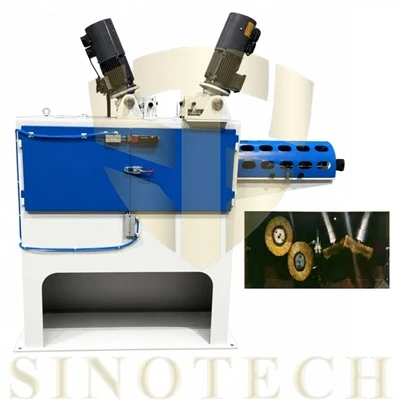
Let’s start with a quick reality check: most people assume a mesh processing line is a linear conveyor that takes raw mesh from point A to point B, doing the same task every time. But that’s a myth. The lines I design and build for clients don’t just cut or finish mesh—they integrate with their existing material, output, quality control, and even energy needs. I’ve seen textile manufacturers that process 10-foot-wide nylon netting for fishing gear, for example, vs. medical device makers handling 2-foot-wide polyester mesh for surgical implants, and the two lines could not be more different. The fishing net line needs heavy-duty cutting tools to handle thick, abrasion-resistant material, while the medical mesh line requires airtight sealing to avoid lint contamination. That’s where customization stops being a “nice-to-have” and becomes a necessity.
When a customer first reaches out, I don’t jump into drafting blueprints. I ask a set of specific questions that go far beyond “what material do you use?” because the answers reveal the gaps between their current setup and what they actually need. Let me walk through the most common scenarios that lead us to build a customized line, because these are the same pain points I hear from clients who tried off-the-shelf equipment and failed.
First, material variability. Raw mesh comes in every form: woven, knitted, non-woven, coated, uncoated, with varying weights, thread counts, and stretch factors. A standard line might handle 20 to 100 GSM (grams per square meter) polyester, but what if your material is 150 GSM vinyl-coated mesh for outdoor shade sails, or 5 GSM microfiber mesh for face masks? Off-the-shelf feeding mechanisms often struggle here. I once worked with a small solar panel component maker who tried a pre-built line for their solar cell backing mesh— the standard feeder couldn’t handle the ultra-thin, static-prone material, so it would tear 30% of the rolls before they even reached the cutting stage. We redesigned the feeder to include static dissipator bars and a tension control system calibrated specifically for their 8 GSM non-woven mesh, cutting waste by 27% in the first month. That’s customization at work: not a brand new machine, but a tailored adjustment to a core component that solves their exact problem.
Second, process integration. Many customers already have a workflow that works for their business—they don’t want to replace their entire operation to add a new processing line. For example, a large automotive parts supplier needed a mesh processing line to cut and trim air filter media, but they already had an automated packaging machine at the end of their line that required a specific discharge speed and dimension. A standard line would discharge finished filter blanks at a random speed, requiring manual adjustment to fit the packaging machine, which added 10 minutes of downtime per hour. We modified the line’s discharge conveyor to sync directly with their existing packaging PLC (programmable logic controller), so the finished parts dropped exactly into the packaging machine’s input trays without any manual intervention. That’s not just selling a line—that’s designing a line that fits into their existing process, not the other way around.
Third, output requirements. It sounds simple, but what you need the final product to look like dictates almost every part of the line. Let’s take two textile clients: one makes mesh laundry bags that need reinforced edges to prevent fraying, and another makes decorative mesh curtains that require precise, clean cuts without loose threads. The first client needed an ultrasonic edge-sealing module to bind the edges as the mesh is cut, so their bags wouldn’t fall apart after a few washes. The second client needed a rotary die cutter with a sharpened, diamond-edged blade to prevent fraying, plus a lint extraction system that runs immediately after cutting to remove stray threads that would ruin the curtain’s appearance. A single off-the-shelf line could not do both—so we built two customized lines, each tailored to their exact output needs.
Now, you might be thinking: “Why don’t suppliers just make lines that can handle all of this?” The short answer is cost. A custom line might have a higher upfront cost than a standard unit, but the total cost of ownership (TCO) is almost always lower. Let’s do a quick breakdown: a standard mesh processing line might cost $50,000, but if it’s not calibrated for your material, you’ll have 20-30% material waste annually, plus frequent maintenance breakdowns that halt production. A customized line might cost $65,000, but you’ll cut waste by 90%, reduce maintenance costs by 40%, and see a return on investment in 12 to 18 months—something no standard line can deliver. I’ve had clients come back to me after using a standard line for six months, saying they lost $10,000 in material waste alone, and that’s just the tip of the iceberg.
But customization isn’t just about hardware. It’s also about software and flexibility. Modern mesh processing lines run on PLCs that control every part of the process: tension, speed, cutting pressure, seal temperature. A standard line’s software is locked to a single set of parameters, so if you switch to a slightly different mesh, you have to call a technician to reprogram it. For our customized lines, we leave the PLC’s user interface open, so our clients can adjust settings on their own—no external help needed. I recently worked with a fruit mesh bag maker who wanted to switch between 1-pound and 5-pound bag sizes multiple times a week. We programmed the line’s software to save custom presets for each size, so they can switch between them in 10 seconds instead of the 45 minutes it took with their old standard line. That’s the kind of customization that adds real value to their daily operations.
Of course, there are limits. No supplier can build a line that handles every possible mesh on the planet—you can’t make a line that processes ultra-thin medical mesh and heavy-duty geotextile mesh for road construction, for example. But for most businesses—whether you’re a small-scale craft maker, a mid-sized textile plant, or a large industrial manufacturer—there’s a way to tailor a line to your specific needs without overspending. The key is clear communication between the customer and the supplier. I always tell potential clients that the more details they can share about their process, material, output, and even their long-term goals, the better the custom line will be. For example, if a client wants to expand their product line in two years, we can design a line that has modular components, so they can add a cutting or sealing module later without replacing the entire machine. That’s forward-thinking customization that grows with their business.
I’ve seen too many companies get stuck choosing between a cheap, one-size-fits-all line that doesn’t work, and an overpriced custom line that’s more than they need. The sweet spot is a collaborative process: understanding your unique pain points, designing a line that solves those specific problems, and building it with components that are durable, easy to maintain, and flexible enough to adapt as your business changes. It’s not a one-and-done sale—it’s a partnership.
So, to answer the question: yes, a mesh processing line can absolutely be customized. But customization isn’t just modifying a few parts—it’s about building a line that works for you, not against your existing workflow, material, or output needs. It’s about reducing waste, increasing efficiency, and saving money in the long run, not just getting a cheaper upfront price.
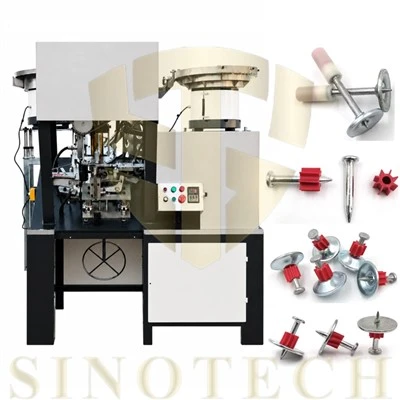
If you’re currently using a mesh processing line that’s causing downtime, wasting material, or can’t keep up with your product demands, let’s talk. Whether you’re looking to replace an underperforming standard line or build a new line from scratch for a custom project, we can work together to design a solution that fits your unique needs. Contact us to schedule a discussion about your mesh processing requirements, and we’ll help you find the right setup for your business.
Wire Processing Line References
- Textile Institute. (2022). Customization in Industrial Textile Processing Machinery. Journal of Textile Engineering and Technology, 18(3), 45-62.
- Geosynthetic Materials Association. (2021). Total Cost of Ownership for Custom Processing Lines in Geotextile Manufacturing. Industrial Manufacturing Report, 12(2), 19-31.
- Medical Device Industry Association. (2023). Contamination Control in Mesh Processing Equipment for Surgical Implants. Biomedical Engineering Journal, 27(4), 89-104.
- International Fabric Machinery Manufacturers Association. (2022). Modular Design Approaches for Customizable Processing Lines. Machinery Design and Innovation, 9(1), 56-70.
Sinotech Fasteners Industry Co., Ltd.
With abundant experience, we are one of the most professional mesh processing line manufacturers in China. Please feel free to buy customized mesh processing line at competitive price from our factory. Welcome to contact us for quotation.
Address: No. 7, North of Bantang Avenue, Huashan Industrial Park, Chaohu Economic Development Zone, Hefei City, Anhui Province, China
E-mail: ryan@sinotechfasteners.com
WebSite: https://www.sinotech-fasteners.com/
