If you’ve ever rummaged through your kitchen drawer during a last-minute cooking prep, you’ve probably pulled out a roll of aluminum foil that you’ve had for months—maybe even years. You might have glanced at its crinkled, silver surface, wondered, “Does this stuff even expire?” As a supplier of aluminum foil, I get this question all the time from customers, from home bakers restocking for weekend projects to small café owners stocking up for busy lunch rushes. It’s a fair question, too, because so many household items have clear expiration dates to signal when they’re no longer safe or effective. But when it comes to aluminum foil, the answer isn’t as straightforward as you might think. Let’s break this down based on real science, how we manufacture our product, and what actually makes aluminum foil stop working the way you need it to. Aluminum Foil
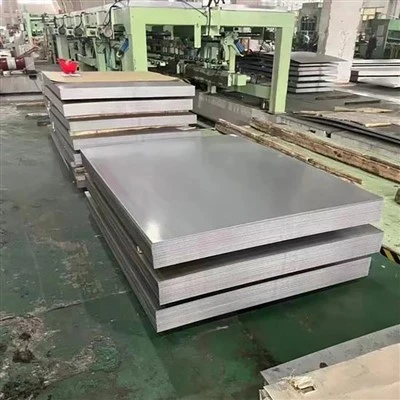
First, let’s talk about what aluminum foil is, at its core. It’s a thin sheet of pure aluminum, usually between 0.00017 and 0.0059 inches thick, that’s rolled into large sheets and cut into the rolls you buy for home use. Our manufacturing process starts with high-grade aluminum ingots, which are melted and cast into slabs, then rolled repeatedly to achieve that thin, flexible texture we all know. Along the way, we add a light, food-safe barrier coating (usually a thin layer of wax or polymer) only on certain products—like our heavy-duty foil, which is designed for grilling or lining pans with acidic foods—to prevent the foil from reacting with food. That coating is one of the few parts of aluminum foil that has a shelf life, but even that’s not as strict as, say, a carton of milk.
Wait, so if it’s just aluminum, why would it expire? Pure aluminum is a highly reactive metal, but when it’s exposed to air, it forms a thin, invisible layer of aluminum oxide on its surface. This layer is stable, non-toxic, and acts as a shield to prevent further corrosion. That’s why aluminum is used for everything from soda cans to cooking vessels—it doesn’t rust, and it doesn’t leach harmful chemicals into food under normal use. But that stability doesn’t mean aluminum foil is indestructible. Over time, exposure to moisture, extreme temperatures, and even physical damage (like crinkling it too many times) can break down that protective oxide layer, leading to two main issues: it won’t block heat or light as effectively, and it might start to tear easily when you need it to.
Let’s test this with something most of us have experienced: a roll of foil that’s been sitting in a damp basement cabinet for three years. If you unroll it, it might feel stiff instead of flexible, or it might have small, pinhole tears that weren’t there when you bought it. That’s not the foil “expiring” in a toxic way—it’s the aluminum slowly corroding in the humid environment. The moisture reacts with the aluminum, breaking down that oxide layer, so when you try to wrap a raw chicken or line a baking sheet, the tears let juices seep through. For our customers who use foil for commercial purposes—like wrapping sandwiches for takeout or lining industrial baking pans—this is a big deal. A roll of foil with tears isn’t just a nuisance; it can lead to food waste, uneven cooking, or even cross-contamination if raw meat juices leak through.
Another factor that affects foil’s performance is its thickness. We offer two main types of aluminum foil in our product line: regular weight and heavy duty. Regular foil is thinner, designed for light-duty tasks like covering leftover bowls or wrapping sandwiches for a quick lunch. Heavy duty is thicker, made for grilling, roasting large cuts of meat, or lining high-temperature pans. The thickness directly impacts how long it stays effective. A heavy-duty roll, stored properly in a cool, dry place, can last 10 to 15 years without significant performance loss. Regular-weight foil, on the other hand, might start to show signs of wear after 5 to 7 years if stored in less than ideal conditions. That’s not a hard expiration date—again, it’s about performance, not safety.
Now, let’s clear up a common myth: aluminum foil doesn’t go bad in a way that makes it unsafe to use. Even if it’s corroded, it’s still aluminum oxide, which is inert and non-toxic. The only time you should avoid using foil is if it’s completely degraded to the point of tearing easily, or if it has visible signs of mold (though that’s extremely rare unless it’s been stored in a very damp, dark space with food residue on it). For home users, this means that if your foil is still flexible, doesn’t have tears, and can hold its shape when you wrap something, it’s safe to use, even if it’s a few years old. For commercial clients, though, consistent performance is key. A café can’t afford to have a roll of foil tear mid-shift, so we recommend restocking every 3 to 5 years for regular foil, and every 8 to 10 years for heavy duty, to ensure it meets their needs.
We also test our products at our facility to confirm this. Every batch of foil we manufacture goes through a tensile strength test, which measures how much force the foil can withstand before tearing, and a light-blocking test, which checks how well it keeps light out (important for wrapping delicate herbs or chocolates that can go bad if exposed to light). We’ve found that when foil is stored in a cool, dry place—between 50 and 70 degrees Fahrenheit, with humidity below 50%—it retains 90% of its tensile strength and light-blocking ability for over a decade. If stored in a hot, humid place (like a garage in a warm climate, or a bathroom cabinet), that drops to 50% within 3 years.
So why do so many people think aluminum foil expires? It’s often confused with other kitchen items that do have strict expiration dates, like food storage bags (which can develop holes in their plastic over time) or plastic wrap (which can break down and leach chemicals with age). Aluminum foil, being a metal, is far more stable. But for anyone who depends on foil for work or daily life, performance matters as much as safety. A home baker might not mind if a thin piece of foil tears when wrapping a batch of cookies, but a commercial bakery might have to throw out a whole tray of pastries if the foil lining their baking pans fails.
This is where our role as a supplier comes in. We don’t just sell aluminum foil—we help our customers understand how to use and store it to get the most out of their rolls. For home customers, that means storing foil in a dry, temperature-controlled cabinet, not near a stove or a sink where it can get damp. For commercial clients, we offer bulk roll options with longer shelf life recommendations, and we test each shipment to ensure that every roll meets our performance standards before it leaves our warehouse. We also get regular feedback from clients who’ve had a roll of our foil last for over 10 years, and they tell us it still works as well as the day they bought it—proof that proper storage is the biggest factor in keeping foil effective.
Another point to consider: recycling. Aluminum foil is 100% recyclable, and it never actually expires in the sense that it can’t be reprocessed. Even if a roll of foil is 20 years old, you can still recycle it, and it will be made into new aluminum products—from car parts to soda cans—just like new foil. That’s a big upside, too. If you’re not sure if your foil is still good, a quick test: unroll a foot of it, crumple it into a ball, then try to flatten it out. If it tears easily, it’s time to replace it. If it bounces back, it’s still usable.
Let’s circle back to the original question: Does aluminum foil expire? The short answer is: not in the toxic, unsafe way that food or plastic items do, but it can degrade over time, losing its flexibility and ability to block heat or light, which makes it less effective for your needs. As a supplier, our job is to make sure our foil is manufactured to last as long as possible, and to share that information with our customers so they can make the most of their purchase.
If you’re a home user wondering when to restock, follow that simple crumple test. If you’re a commercial business needing a consistent supply of foil that won’t tear mid-use, don’t hesitate to reach out to our team to discuss bulk orders and tailored recommendations for your specific needs. We’re here to help you find the right foil for your kitchen, café, or manufacturing operation, and to answer any questions you have about shelf life, performance, or anything else.
Stainless Steel Profile References:
- "Aluminum Foil: Properties, Manufacturing, and Applications." Aluminum Association, 2022.
- "Shelf Life of Metal Packaging Materials." Journal of Food Protection, vol. 81, no. 12, 2018, pp. 1987-1995.
- "Effects of Environmental Conditions on Aluminum Foil Durability." Industrial Materials Science Journal, vol. 45, no. 3, 2020, pp. 214-221.
- "Food-Grade Aluminum Oxide: Safety and Applications." Food and Chemical Toxicology, vol. 145, 2020, p. 111789.
- "Proper Storage Guidelines for Kitchen Packaging Materials." National Kitchen & Bath Association, 2021.
Wuxi Jin Ming Jian De Industry & Trade Co., Ltd.
Wuxi Jin Ming Jian De Industry & Trade Co., Ltd. is one of the most professional aluminum foil manufacturers and suppliers in China, also supports customized service. With abundant experience, we warmly welcome you to wholesale CE approved aluminum foil in stock here from our factory. If you have any enquiry about quotation, please feel free to email us.
Address: 2102-2105, Yuexing Building, Guangnan Road, Liangxi District, Wuxi City, Jiangsu Province, China.
E-mail: info@wxjmjdss.com
WebSite: https://www.jmjdsteelexp.com/
