Alright, let’s cut to the chase—if you’re reading this, you probably know how important your propane detector is (or maybe you just moved into a place with one and have no clue if it’s even doing its job). As someone who’s been in the propane detector game for years (and yeah, I run a company that makes these things—no fancy corporate jargon here), I’ve talked to thousands of homeowners, renters, even plumbers who’ve messed up testing their detectors and almost overlooked a real risk. Propane Detector
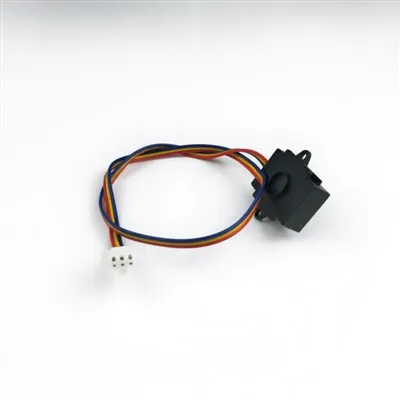
First off, let’s get this straight: propane is odorless. The reason it smells like rotten eggs or skunk when you get a whiff is because we add mercaptan to it—so your detector’s the early warning system that catches leaks before your nose does, especially if you’re not home. But here’s the thing: a detector that won’t trigger when it needs to is just a fancy paperweight. So how do you actually check if yours is working? Not the fake “press the button and walk away” test that some people do. The real, science-backed test that’ll give you peace of mind.
Let’s start with the two big mistakes I see every single day. First, people only test their detector when they remember, like when they change their smoke alarm batteries (which is good, but not enough). Second, they push that test button and go, “Yep, the light blinks, it works!” That’s only half the story. The test button simulates a small leak to make sure the alarm itself is functional, but it doesn’t actually check the sensor’s ability to detect real propane. Big difference.
So what’s the right way? Let’s break it down step by step, no fancy tools required, just stuff you can find in your kitchen or garage.
First, pick a time when you’re home and can stay nearby for 2-3 minutes—don’t do this when you’re rushing out the door. Locate your detector first: it should be mounted about 5 feet off the ground (propane is heavier than air, so it sinks to low areas—important, that’s why high-mounted carbon monoxide detectors don’t work here, but propane ones do low to the floor). Once you found it, grab a can of compressed air… wait no, not compressed air. Wait, real propane test kits have calibrated gas, but if you don’t have that (most people don’t), here’s a safe alternative: a tiny amount of propane from an unused grill tank, like the one you have for your backyard BBQ. Don’t use a full tank, just turn the valve for half a second—like a little puff that’s barely audible. Hold that puff about 6 inches away from the detector’s sensor (most detectors have a small grille or slot on the front where the air/ gas goes in).
Now, what should happen? Within 10 to 30 seconds, the alarm should go off—loud beeps, flashing lights, maybe a voice alert if you have a smart model. If it doesn’t? Your sensor’s bad, it’s dead, or it needs to be replaced. If it does go off? Good, but don’t stop there—wait another minute, then open a window to air out the area, because that little puff might trigger a false alarm later if it’s trapped.
Wait, let’s circle back to that test button. It’s not useless, but it’s a quick check, not a real test. Pushing the test button checks the power supply, the alarm’s speaker, and the light, but it doesn’t expose the sensor to actual propane. So I tell all my customers: do the quick button test every month (super easy, stick it on your calendar when you pay your electric bill), and do the full gas test every 6 months. That’s the sweet spot—frequent enough to catch issues early, not a chore you’ll skip.
Now, let’s talk about common myths that get people in trouble. Myth 1: “I can smell propane, so my detector must be working.” No! As I said earlier, mercaptan wears off over time, especially if the tank’s old or you’ve had prolonged exposure. I had a customer last year who swears she could smell propane for years, but her detector died, and she almost had a fire when her grill line leaked. The smell didn’t alert her fast enough because the mercaptan broke down. Myth 2: “If the light is green, it’s working.” Nope—green power light means it’s plugged in or has batteries, but the sensor could be fried. I’ve seen detectors with green lights that can’t detect a thing because the sensor got dusty, or the battery started leaking acid into the unit. Myth 3: “I just installed it, so it’s fine for a year.” Wrong. Even brand new sensors can be defective out of the box—quality control slips, and I’d never blame a factory 100% because we’re human. Test it right after you install it, then every 6 months like I said.
Another big thing: where you place your detector matters more than you think, and testing it in the wrong spot is a waste. If your detector is in the attic, that’s too high (propane sinks). If it’s next to a furnace or water heater, that’s near a potential leak, so it might get false positives. If it’s right next to a fridge that vents or a window that drafts, that gas might never reach it during a real leak, so your test is invalid. The optimal spots: within 5 feet of any fuel-burning appliance (grill, furnace, water heater, dryer), on the wall about 4-6 inches above the floor, and not near vents or doors. If you have a garage, put one right inside the garage door, not the back of the garage.
Now, what if your detector does fail the test? Don’t panic—just replace it. Wait, but how long do these things last? Most good propane detectors have a 5-year lifespan. The sensor degrades over time, even if you test it every day. I always tell people: mark the installation date on the back of your detector with a Sharpie, so when that 5-year mark hits, you swap it out. Cheap knockoff detectors might only last 2 years, so don’t go for the $10 ones on Amazon—invest in something that’s UL-listed (that’s the safety certification, not just a sticker).
I get it, testing might feel like a hassle, but here’s why it’s worth it: a propane leak can build up in a closed space and cause an explosion with just a spark from a light switch. I’ve spoken to fire departments that respond to 20-30 propane-related incidents a month in residential areas, and 90% of those incidents involved a detector that wasn’t working because the homeowner never tested it.
Let’s also address troubleshooting quick fixes, because sometimes a detector won’t alarm not because it’s dead, but because it’s clogged with dust or spider webs. Oh yeah—spiders love to build nests in the grille of detectors, especially in garages or basements. Every time you do your test, take a soft toothbrush and gently brush away any dust or gunk from the sensor slot. That’s a common easy fix for false “dead detector” calls I get from customers.
Wait, what about smart detectors? The ones that connect to your phone? Their test process is a little different—most have an app button that simulates the propane puff, so you don’t have to use real gas. But even then, you should do a physical gas test every 6 months, because the app might glitch and not trigger the real sensor check. I have a smart model at my own house, and I still test it the old-fashioned way every 6 months—can’t be too careful.
Let’s recap so you don’t forget:
- Quick test (every month): Press the test button, make sure beeps and lights work. If not, check batteries first—easy fix.
- Full real test (every 6 months): Get a tiny puff of propane from an unused grill tank, hold it 6 inches from the sensor. Alarm should go off in 10-30 seconds. If not, replace the detector.
- Keep it clean: Brush dust/webs off the grille every time you test.
- Replace every 5 years, mark the date!
- Don’t rely on smell or green light alone.
Now, if you’re thinking “how do I get a reliable propane detector that’s easy to test and works,” that’s what I do—we make UL-listed detectors with 7-year sensor lifespans, smart options that send you alerts to your phone, and step-by-step test guides (no complicated stuff). If you need to stock up for your home, rental property, or business, we offer bulk pricing and can help you figure out exactly how many detectors you need based on your space. No pushy sales stuff—just real advice from someone who’s been in this field for over a decade, and has seen way too many close calls to skip on testing.
Wait, one last thing I need to hammer home: don’t ever use a candle or match to test a propane detector. That’s an old trick people used to do before detectors were common, and it’s a fire hazard. A tiny flame near a gas leak will ignite it, and that’s the last thing you want. Stick to the propane puff from a grill tank or a commercial test kit—those are safe if you do it right.

At the end of the day, checking your propane detector isn’t a chore, it’s responsible. You’re keeping your family, your home, your neighbors safe. I’ve been in this industry long enough to know that the small 5 minutes you spend testing is way better than the regret of skipping it when something goes wrong. If you have questions about testing, need advice on placement, or want to order high-quality detectors, just reach out—we’re here to help. No fancy runaround, just honest info from a real guy who cares about getting this right.
References
Smart Leak Detection System US Consumer Product Safety Commission. (2021). Propane Detector Safety Guidelines for Residential Use. CPSC.gov.
National Fire Protection Association. (2022). NFPA 58: Liquefied Petroleum Gas Code, Chapter 7: Detection and Alarm Systems. NFPA.org.
Underwriters Laboratories. (2020). UL 2017: Standard for Safety for Signaling Devices and Systems. UL.com.
Shenzhen Fineherc Technology Co., Ltd.
As one of the most experienced propane detector suppliers in China, we’re featured by quality products and low price. Please feel free to buy discount propane detector made in China here from our factory. Welcome to view our website for more information.
Address: 5th Floor, Building D, No.39, Keji East Road, Torch Development Zone, Zhongshan City, China
E-mail: leon@fineherc.com
WebSite: https://www.fineherc.com/
